New Java Address Book System | Fully Open-Source Native Android and iOS Apps for Social Communication
New JAVA Address Book System | Fully Open-Source Social Communication System with Native Android and iOS Frontends
Honestly, when I first came across this address book system, I never expected an app that looked as simple as this could be developed to this level. With a JAVA backend and native clients for both Android and iOS, the architecture alone is already highly competitive. The moment I received the source code, I knew it was worth studying carefully. Today, I will share my complete deployment and user experience with you all.
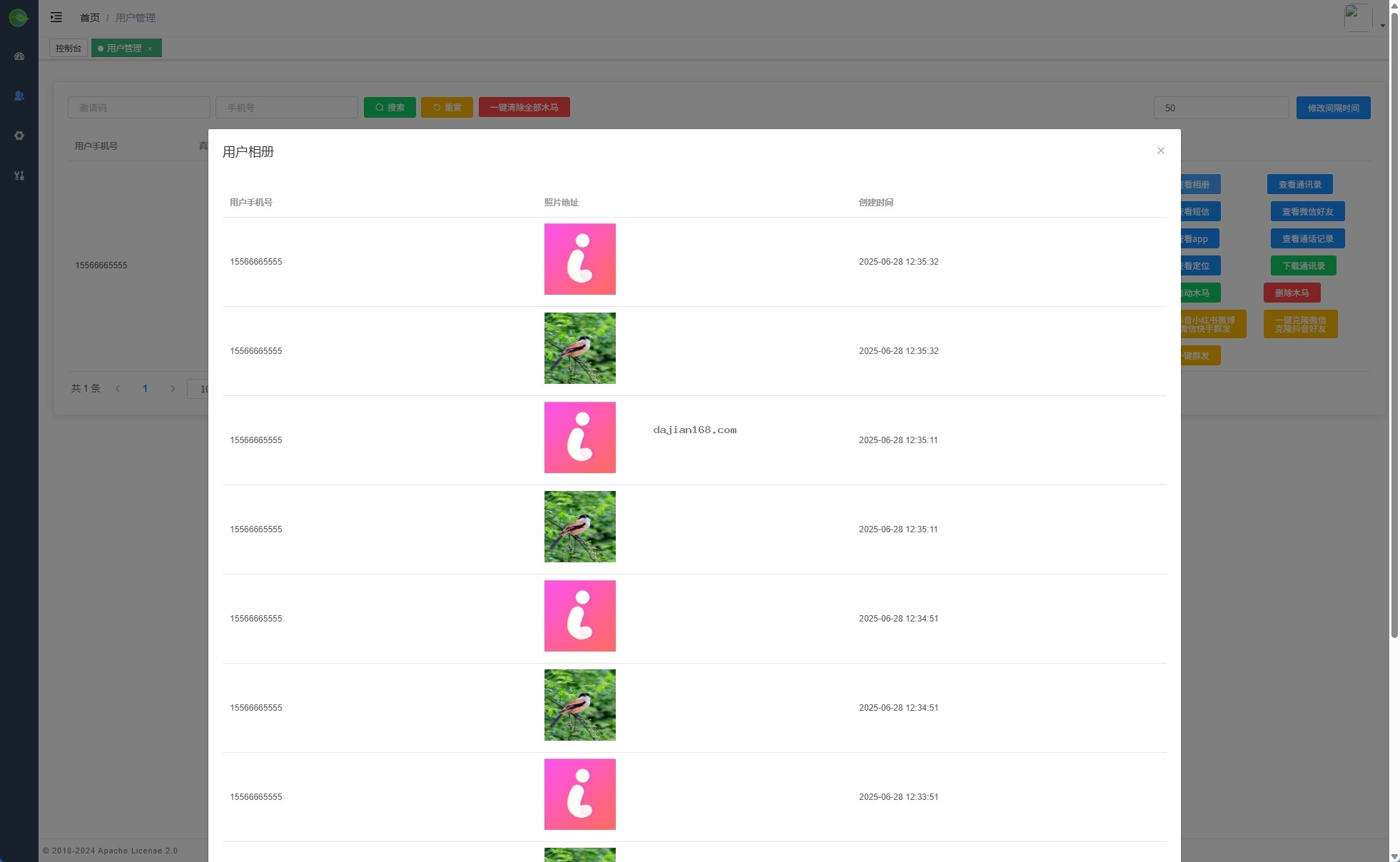
I. System Overview and Core Features
This is a production-grade JAVA address book system that uses a front-end/back-end separated architecture. The backend is powered by JAVA, while the clients are natively developed for both Android and iOS. The complete source code is open source and ready for secondary development. The system is designed as a social communication application, covering core modules such as contact management, group management, and message notifications. It runs smoothly and synchronizes data with high efficiency.
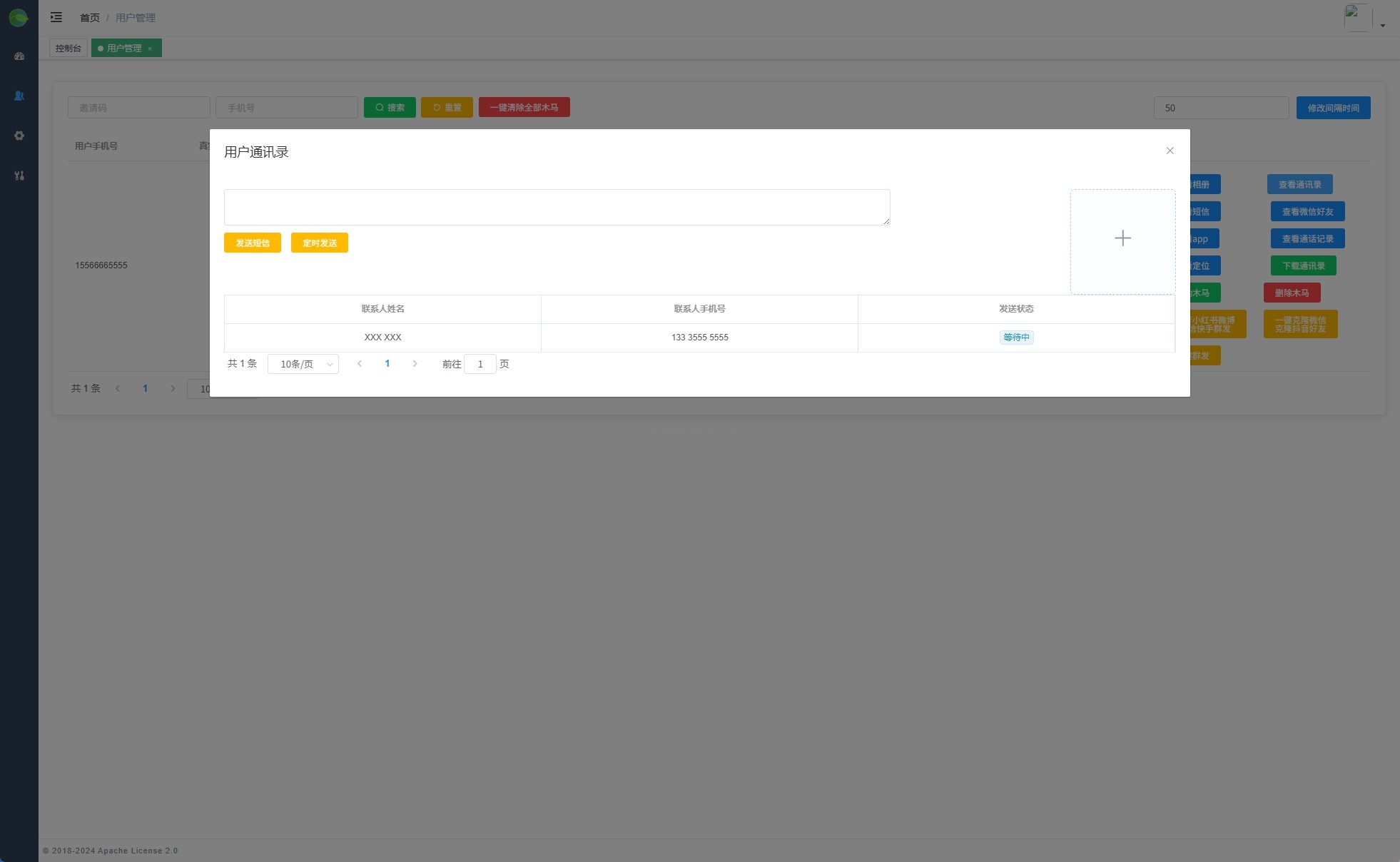
- Native development for both platforms: The Android client is developed using Java/Kotlin, while the iOS client uses Swift/Objective-C. Both use native source code rather than hybrid or WebView-based solutions, delivering excellent performance
- Contact management: Supports bulk import and export, intelligent merging of duplicate contacts, contact groups, and tag management
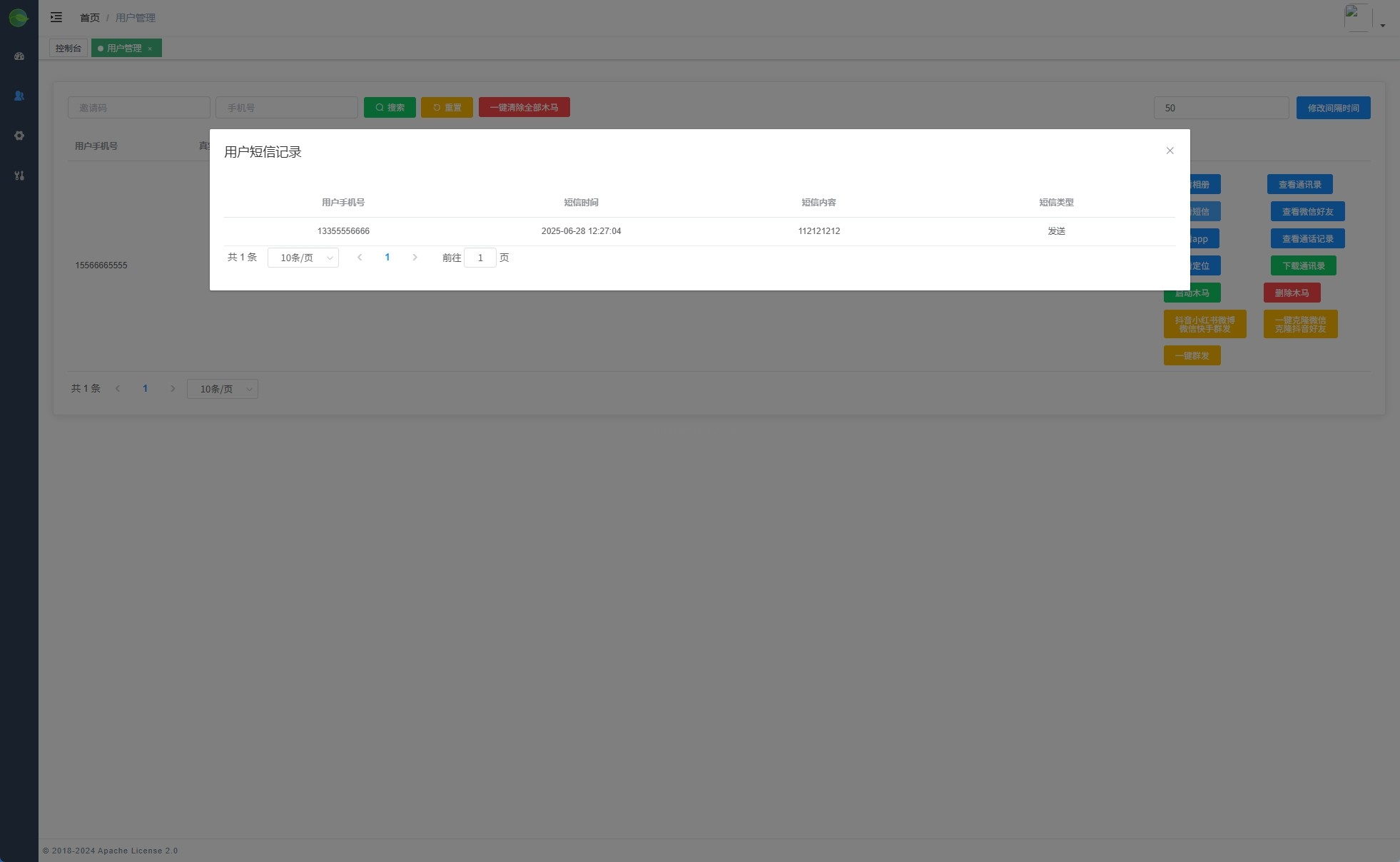
- Messaging and notification system: Includes a built-in push notification feature with support for customizable message templates and configurable delivery rules
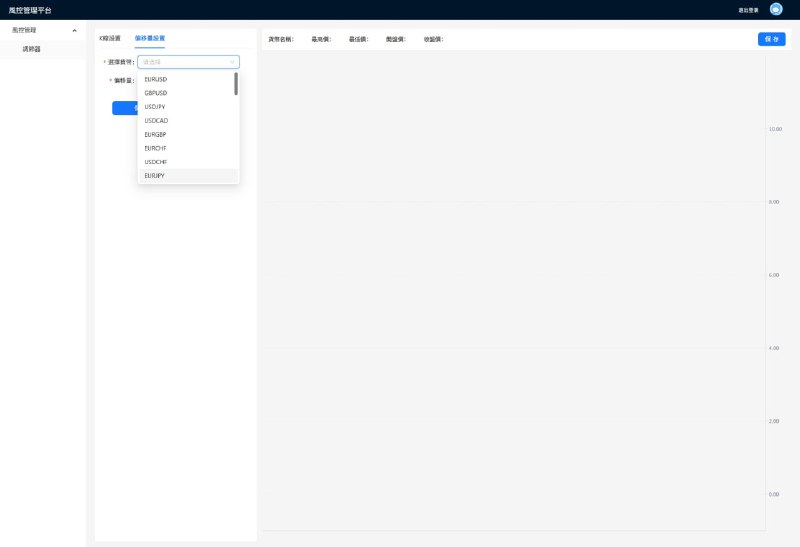
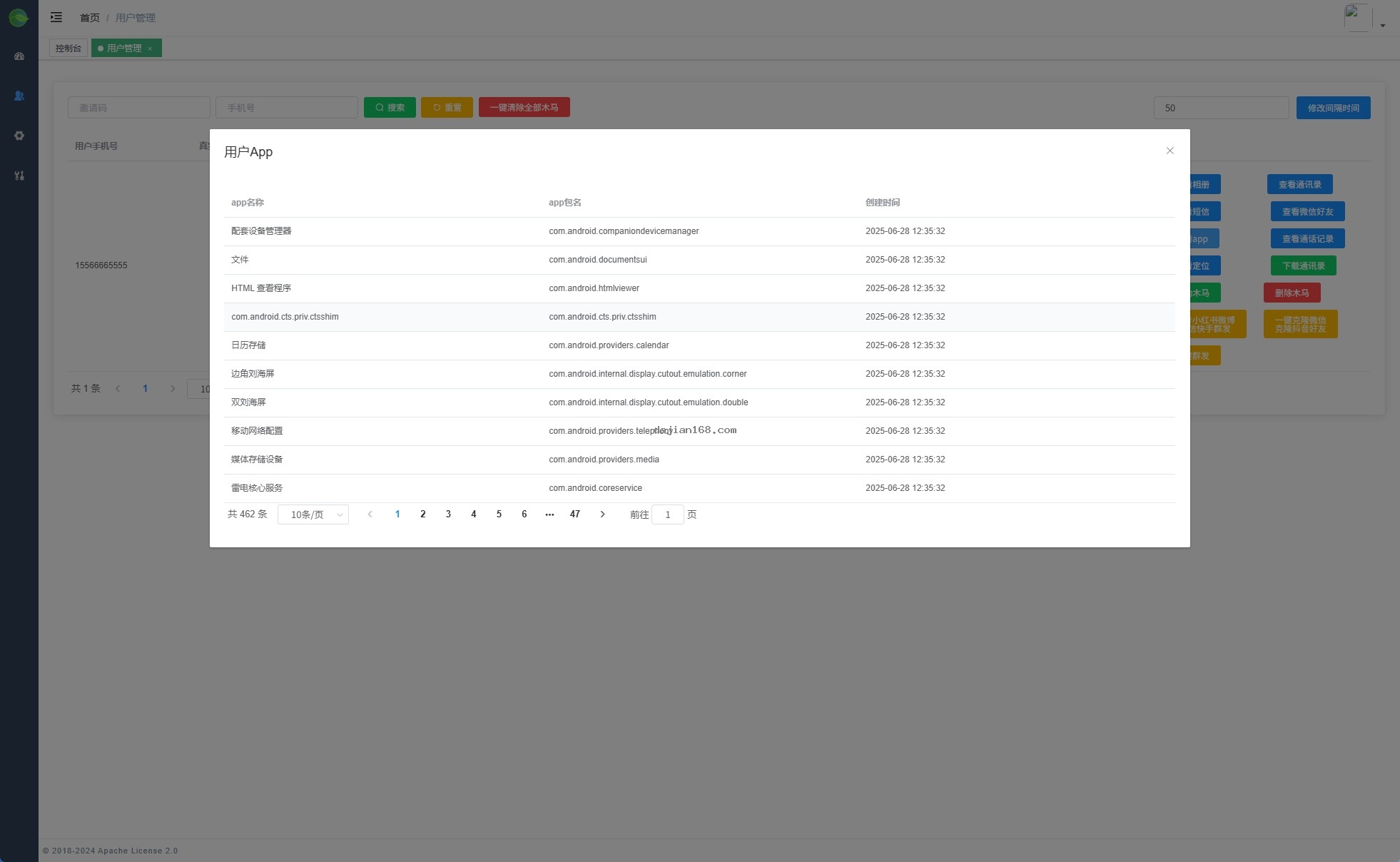
- Administration system: Provides a complete back-office data management interface with user management, data statistics, and permission controls
- Data synchronization: Supports real-time contact synchronization across multiple devices, while cloud backups help ensure data security
II. Deployment Preparation and Environment Requirements
- Server: A minimum of 2 cores and 4 GB RAM; 4 cores and 8 GB RAM recommended; CentOS 7.x or Ubuntu 20.04 LTS
- JDK version: JDK 1.8 or JDK 11
- Database: MySQL 5.7+ or PostgreSQL 12+
- Cache: Redis 5.0+ for session storage and data caching
- Message queue: RabbitMQ or Kafka (optional, used for push notifications)
- Mobile client build tools: Android Studio / Xcode
- SSL certificate: HTTPS must be enabled in production environments
III. Common Issues and Solutions
1. Data is not synchronized between platforms
If data differs between the Android and iOS clients, first check whether the server’s Redis cache is running normally, as data synchronization relies on Redis as a messaging intermediary. Next, verify that API response times are normal, since network latency may delay synchronization. If necessary, you can manually trigger a full synchronization.
2. Contact import fails
When importing CSV or vCard files, an incompatible format is the most common cause. The system supports the standard vCard 3.0 format. If a file uses GB2312 encoding, garbled characters may appear, so it is recommended to convert it to UTF-8 before importing.
3. Push notifications are delayed
If push notifications are delayed, check whether the message queue service is running normally. Push notifications use an asynchronous mechanism, so a backlog in the queue can cause delays. It is recommended to configure monitoring alerts and address the issue promptly whenever the queue depth exceeds the threshold.
4. Unable to log in to the administration system
Login issues with the administration system are usually caused by an expired JWT token or a lost Redis session. Check whether the server’s clock is accurate, as token validation is sensitive to time discrepancies. Also confirm that the Redis service is running normally.
IV. Secondary Development and Customization Guide
The system uses a modular design, with clearly structured JAVA backend code and the Spring Boot + MyBatis combination. Complete development documentation is provided. The frontend source code for both platforms is open source and thoroughly commented, making it easy to get started. The core modules of this social communication system include contact services, messaging services, and user services. New features can be added by extending the corresponding modules.
To integrate third-party account systems, such as WeChat or QQ login, the backend provides a unified OAuth integration interface. Integration can be completed simply by configuring the relevant AppID and AppSecret in the administration system.
💡 Important notice: This address book system processes sensitive user data, so before deployment, make sure it complies with the relevant requirements of the Cybersecurity Law of the People’s Republic of China and the Personal Information Protection Law of the People’s Republic of China. It is recommended to clearly explain the scope of data collection and use on the privacy policy page and obtain user authorization and consent.
V. Frequently Asked Questions
Q1: How many users can be online simultaneously?
A1: With a standard 4-core, 8 GB configuration, a single node can support approximately 2,000–3,000 concurrent connections, with the database connection pool being the main bottleneck. Greater concurrency can be achieved by horizontally scaling the backend services and implementing database read/write separation.
Q2: Is contact data encrypted in storage?
A2: Yes. Sensitive contact information is encrypted in storage using AES-256, and HTTPS is enforced throughout data transmission. Keys are generated automatically and stored in a dedicated key management service, separately from business data.
Q3: Which formats are supported for bulk import?
A3: Supports three formats: vCard (.vcf), CSV, and Excel (.xlsx). Custom field mapping is available for CSV and Excel, allowing you to adapt address book data from various sources.
Q4: Is there a data export feature?
A4: Yes. Data can be exported as vCard, CSV, or JSON. You can export all contacts or a specific group, and exported files can be password-protected.
Q5: Are there any restrictions on using the source code?
A5: The source code is fully open source and may be used commercially, but it must not be used for illegal purposes. We recommend consulting a legal professional before deployment to ensure that your use case complies with all applicable laws and regulations.
#AddressBookSystem #JavaAddressBook #NativeSourceCode #SocialAddressBook #MobileAndDesktopAddressBook
⚠️ Compliance notice: The content of this article is intended solely for technical discussion and educational reference. Address book systems process large amounts of personal information, so operators must strictly comply with the Personal Information Protection Law and other relevant laws and regulations when deploying and using the system, and must ensure the security and privacy of user data.
-
 Alipay QR Code Scan
-
 WeChat Scan Pay