Cross-border E-commerce Mall System Build Log: Multi-language Store, Payment Gateway Integration, Admin Panel Setup
Cross-border E-commerce Mall System Build Log: Multi-language Store, Payment Gateway Integration, Admin Panel Setup
Disclaimer: This article is for technical education and demonstration only. It is not professional or financial advice. Any real-world deployment must comply with applicable laws and regulations.
Last month I took on a project where the client wanted an H5 mall aimed at overseas users, with a points system, payment and withdrawal flows, and multi-language support. I dug an e-commerce system source package out of my archive, customized it, and deployed it. The whole thing took about three days of trial and error before it ran smoothly. Consider this article my deployment notes — I’ve documented the feature tests and every pitfall I hit, as a reference for anyone with a similar project.
System Feature Testing
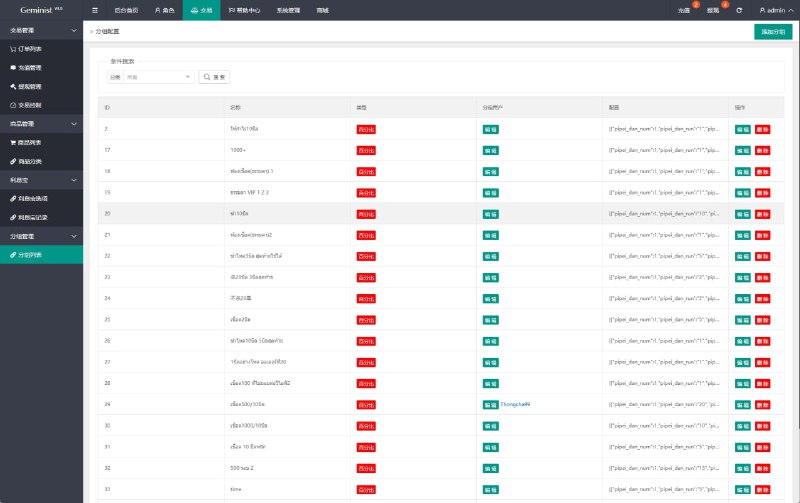
This system is essentially an H5 mall framework with a separated front end and back end, and the admin panel is surprisingly complete. I went through the core modules one by one.
Products and Mall Module
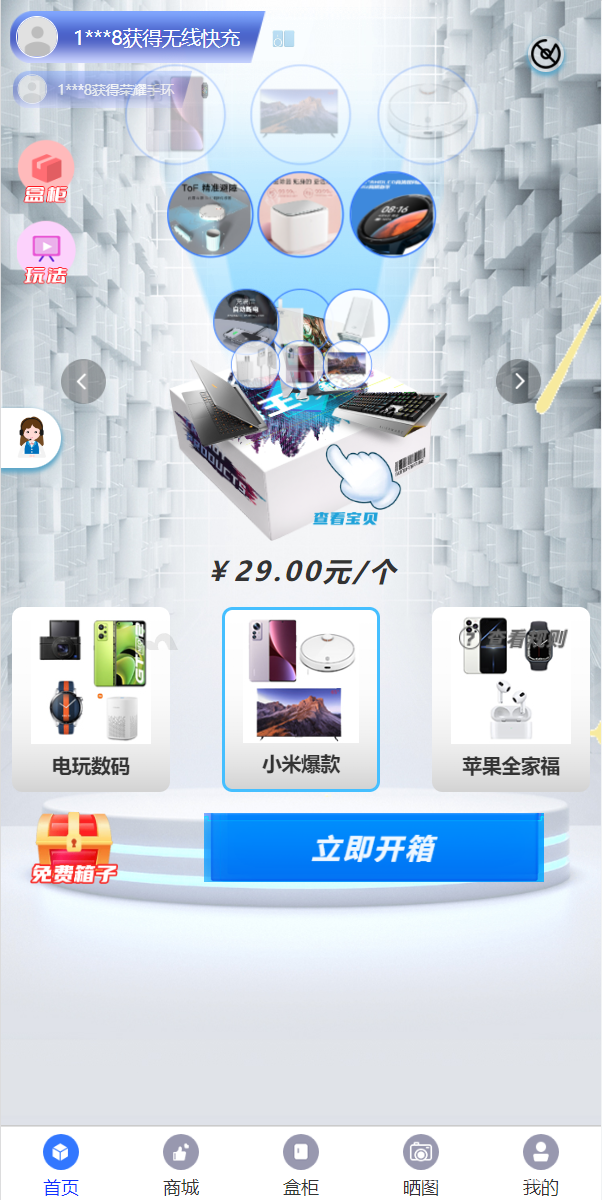
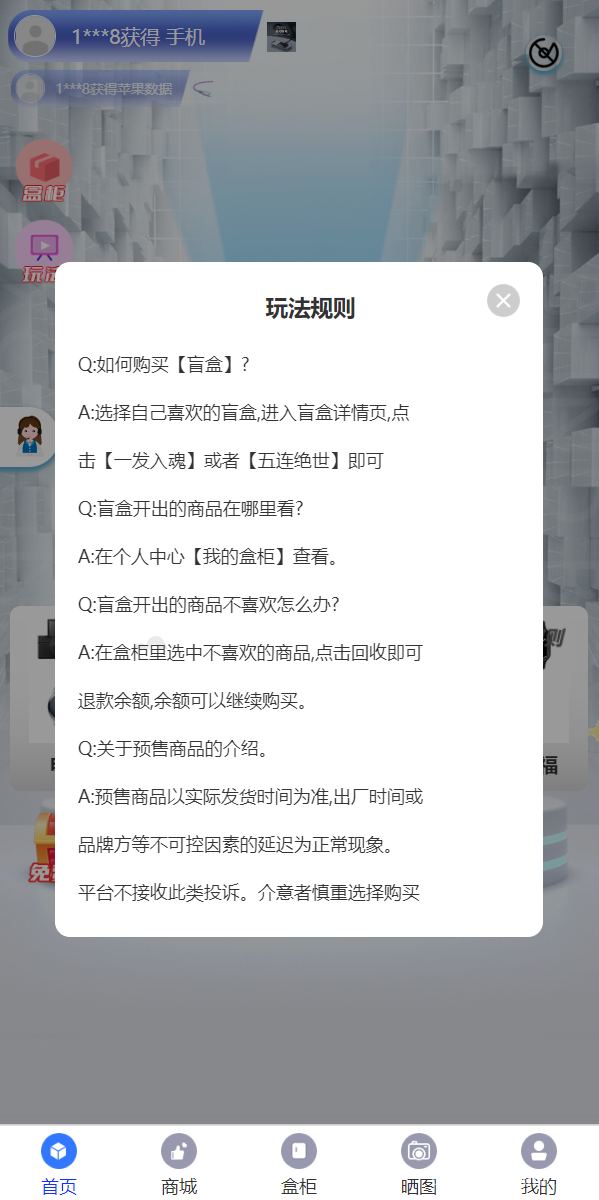
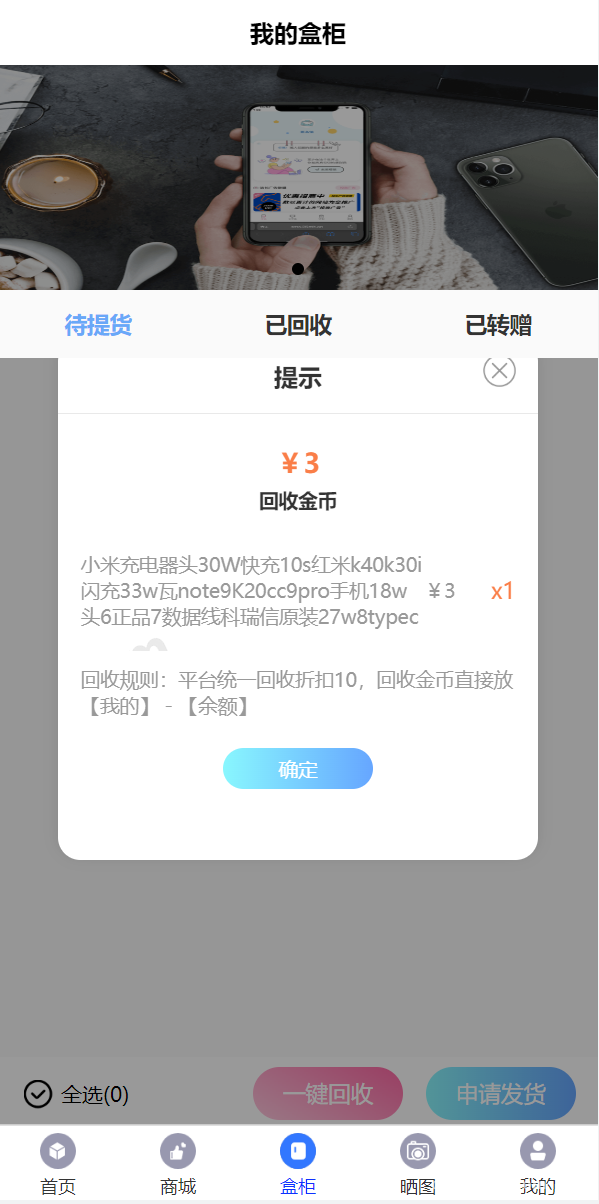
Products can be added directly from the admin panel, with support for rich-text descriptions, stock levels, and pricing. Users can purchase items with points (gold coins), which run on a separate account from the regular balance. The admin panel can configure the exchange rate and conversion rules for each independently. In my test, the full chain — listing a product, placing an order, deducting points — completed in about 3 seconds, and with 50 concurrent orders there was no stock inconsistency.
Points and Credit System
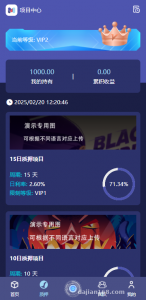
This is the more interesting part of the system. The points module has a parameterized accrual mechanism: once a user’s point balance reaches a threshold set in the admin panel, the system runs a scheduled job every 24 hours and credits a configurable percentage on a demo basis. For example, if the admin sets “1,000 points threshold, 0.5% daily demo accrual,” a cron task handles the settlement automatically. There’s also a referral bonus — the number of points granted for inviting a new user to register can be adjusted flexibly in the admin panel.
Payment and Withdrawal
The balance module connects to a third-party payment gateway. On my side I integrated an aggregated payment SDK, and the callback signature verification logic needed changes in two places: the payment success callback and the withdrawal arrival notification. Withdrawals support admin review — users submit a request, and the admin confirms before funds are released. In the test environment I repeatedly verified signatures and timestamps against sandbox accounts. In production, HTTPS is mandatory, otherwise callbacks tend to get blocked.
Ad Slots and Multi-language
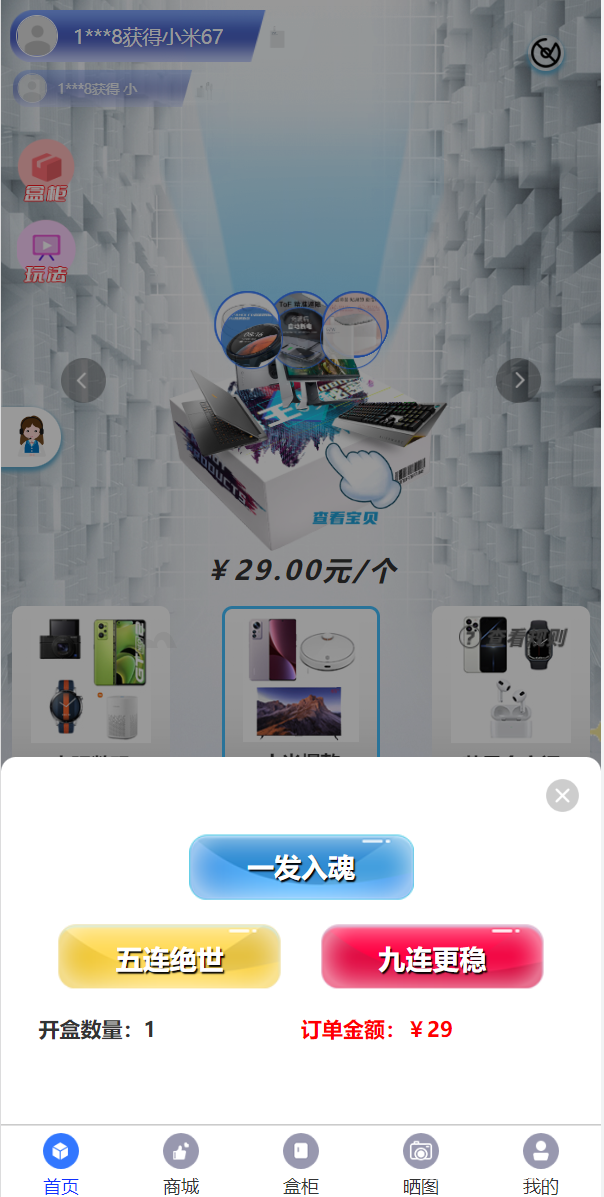
The homepage reserves an external banner image reel simulation. Uploading an image and configuring a jump link in the admin panel takes minutes, which makes traffic monetization or campaign entry points easy. For multi-language support, I added English and Spanish to the language pack. All front-end copy goes through i18n configuration, so adding a new language requires zero code changes — just drop the translation files in and they take effect.
Deployment Notes
The stack is Nginx + PHP 7.4 + MySQL 5.7, with Redis handling caching and the scheduled task queue. I hit three pitfalls during deployment, and I’m writing them down so you can avoid them.
URL Rewriting and Routing
The back-end framework relies on route rewriting. If Nginx isn’t configured for pretty URLs, every API endpoint returns 404. Adding try_files $uri $uri/ /index.php?$query_string; to the conf file fixed it. This one cost me half an hour to find.
Scheduled Task Configuration
Both the 24-hour point accrual and the withdrawal status transitions depend on crontab. Add a crontab entry that runs the think task every minute — never trigger it from a page request, or the task will fire repeatedly once traffic grows. During testing I forgot the lock mechanism, and the same point settlement ran twice. Adding a Redis distributed lock stabilized it.
Database and Backups
I recommend enabling MySQL binlog and running an automated backup script every night at midnight, syncing the backup files to object storage. The order table and the points transaction log grow fast, so set up monthly partitioning early — otherwise queries will slow down later.
Highlight: The real flexibility of this framework lies in the combination of the points system and the mall redemption flow, paired with scheduled tasks and admin-configurable percentages — it supports many demo scenarios. The barrier to secondary development is low, the controller and model structure is clean, and it’s well suited for small teams to customize.
Who This Fits
In my opinion, three scenarios fit well. First, teams running an independent cross-border e-commerce site — the multi-language and payment modules save a lot of work. Second, operators building a points mall or member redemption system — the accrual logic can be used directly. Third, full-stack learners — this codebase covers everything from the H5 front end to the admin panel to scheduled tasks, the chain is complete, and it’s great hands-on practice.
Secondary Development Suggestions
If you plan to extend it, I’d prioritize these: shipping tracking integration (via the Kuaidiniao or 17track API), push notifications (order status changes delivered to users), and a data analytics dashboard (GMV, new users, points issued). All three are standard requirements for mall-type projects, none are hard to build, and the interface layer leaves room for extension.
FAQ
Q: What’s the minimum server spec?
A: 2 cores, 4 GB RAM, and 5 Mbps bandwidth is enough to start — it handles a few thousand daily active users comfortably. Only consider adding a Redis cluster and read-write splitting once order volume grows. Don’t overprovision from day one; it’s a waste of money.
Q: Payment callbacks never arrive — how do I troubleshoot?
A: Check three things in order: whether the HTTPS certificate is valid, whether the callback URL is blocked by a firewall, and whether the signature verification key matches. Eighty percent of the time the problem is the certificate or the signature. Simulating the callback with Postman helps you locate it quickly.
Q: How do I add a new language?
A: Copy an existing language pack file, translate it, drop it into the corresponding directory, and enable it in the admin panel’s language list. All front-end copy goes through language keys, so no template code needs to change.
Q: Is this system ready for commercial use as-is?
A: Functionally yes, but before going live I’d run a security audit — focus on SQL injection, XSS, and broken access control — and add operation logging. Any system should be operated in compliance with applicable laws and regulations after deployment, and must not be used for any unlawful purpose. This article is for technical education only.
Disclaimer: This article is for technical education and demonstration only. It is not professional or financial advice. Any real-world deployment must comply with applicable laws and regulations.
#cross-border e-commerce #mall system source code #payment gateway integration #deployment notes #secondary development
-
 Alipay QR Code Scan
-
 WeChat Scan Pay