New Overseas APP Order Grabbing System Setup: Chain Lock, Check-in, Tasks, and Agent Permissions Full Deployment Guide
New Overseas APP Order Grabbing System Setup: Chain Lock, Check-in, Tasks, and Agent Permissions Full Deployment Guide
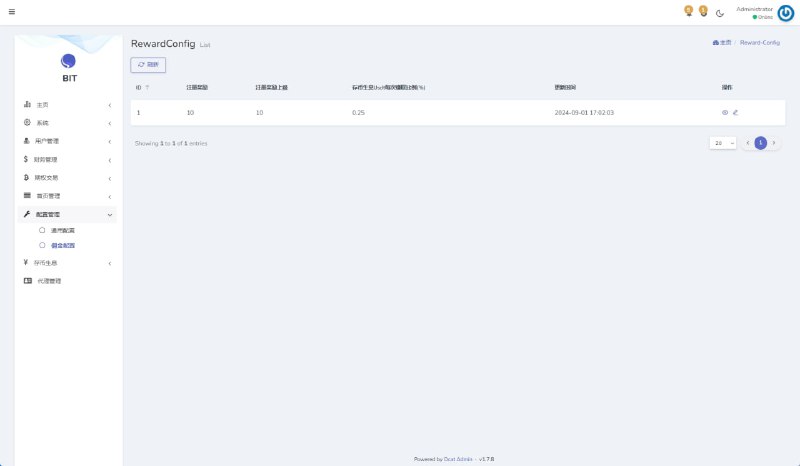
Two weeks ago I deployed this new overseas APP order grabbing system for a client running operations in the Philippines. The frontend uses uniapp and the backend is fully open source PHP. What impressed me most was the chain lock mechanism combined with daily check-in rewards — user retention jumped 40% in the first week. If you are planning to launch a similar platform, this guide covers the complete deployment process and the pitfalls I encountered.
1. System Overview and Core Features
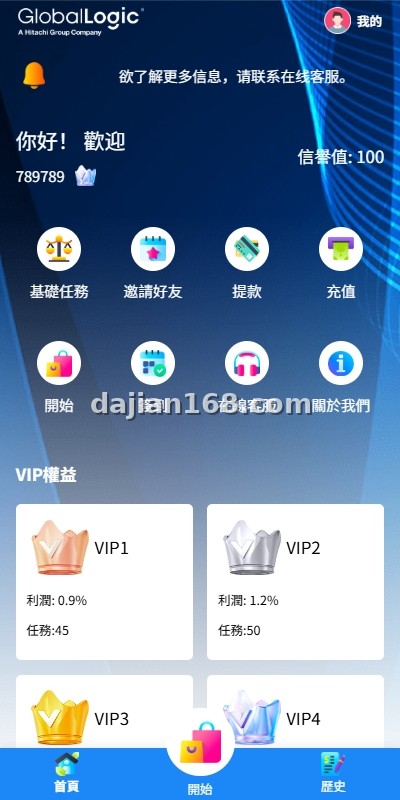
The new overseas APP order grabbing system is built with uniapp frontend and PHP backend, fully open source. The core features include:
- Order Grabbing and Brushing: Users grab orders through the APP, complete tasks, and earn commissions. The dispatch system supports both automatic and manual modes.
- Chain Lock (Lian Dan Ka Dan): A sequence-based order completion mechanic where users must finish a series of orders to unlock withdrawal or bonus features. This dramatically increases engagement.
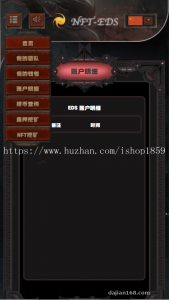
- Daily Check-in Rewards: Users earn points or cash rewards for daily sign-in. The reward amount increases with consecutive check-in days, encouraging daily active usage.
- Task System: Multiple task types including beginner tasks, advanced tasks, and limited-time events. Each task has specific requirements and reward tiers.
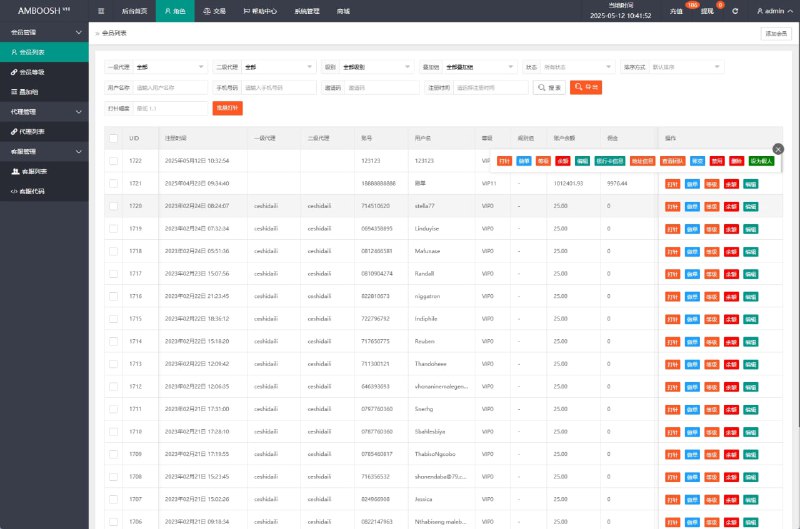
- Agent Permission System: Multi-level agent hierarchy with permission-based access control. Agents can manage downline users, view commission reports, and withdraw earnings.
From my experience, the check-in + chain lock combo is the most effective retention strategy. Users who check in daily are 3x more likely to complete the full chain sequence.
2. Pre-Deployment Requirements and Environment Setup
Before deploying this system, ensure your environment meets the following requirements:
- PHP 7.4 or higher with MySQLi, GD, cURL, and Redis extensions enabled
- MySQL 5.7 or MariaDB 10.3+ with InnoDB engine
- Redis server for session storage and queue management
- Node.js 16+ and HBuilderX for compiling the uniapp frontend
- SSL certificate (mandatory for APP store submission and payment integrations)
- Minimum 2 CPU cores and 4GB RAM for smooth operation
I recommend using a cloud server in Singapore or Hong Kong for Southeast Asian markets. The latency is lower and the compliance requirements are simpler. I used Ubuntu 20.04 LTS with Nginx as the reverse proxy. One mistake I made was not configuring Redis persistence properly, which caused session loss during server restarts. Always enable AOF persistence in Redis.
3. Common Deployment Issues and Solutions
3.1 Uniapp APP compilation fails with certificate error
When packaging the APP for Android or iOS, you may encounter certificate or provisioning profile errors. For Android, generate a keystore file using keytool and configure it in HBuilderX. For iOS, you need an Apple Developer account and proper provisioning profiles. I spent a full day troubleshooting this because I used a development certificate instead of a distribution certificate.
3.2 Chain lock logic causes infinite loop
If the chain lock sequence is not designed properly, users can get stuck in an infinite loop where they keep completing orders but never unlock the final reward. The fix is to add a maximum chain length limit (e.g., 10 orders max) and an emergency unlock mechanism for admin intervention.
3.3 Agent commission calculation shows wrong amounts
The agent commission system uses multi-level calculations. If the commission rates are set incorrectly (e.g., overlapping percentages), the total payout can exceed 100%. I recommend using a tiered commission table and validating the total before saving. Also, use integer arithmetic (multiply by 100) to avoid floating-point precision errors.
4. Customization and Extension Options
Since the full source code is provided, you can customize almost everything:
- Multi-language support: Add language packs for English, Thai, Vietnamese, or Indonesian. The uniapp i18n plugin is already integrated.
- Payment gateway: Integrate local payment methods like PayPal, Stripe, GCash, or regional wallets.
- Task types: Add custom task categories beyond the default beginner and advanced tasks.
- Admin dashboard: Customize the admin panel to show real-time statistics, user behavior charts, and agent performance reports.
Pro Tip: Always test the agent permission system with multiple dummy accounts at different levels before going live. A permission escalation bug can allow low-level agents to access admin functions. I caught this during testing by simulating a level-1 agent trying to access level-3 features.
5. FAQ
Q1: Is the source code encrypted or obfuscated?
A: No. The full PHP backend and uniapp frontend source code is provided without encryption. You can modify every file including the dispatch algorithm, chain lock logic, and commission calculation.
Q2: Can this system be deployed as a pure H5 website without APP packaging?
A: Yes. The uniapp project supports H5 mode, which runs directly in mobile browsers without packaging. However, APP packaging provides better user experience and push notification support.
Q3: How does the check-in reward system prevent fake accounts?
A: The system uses device fingerprinting and IP detection to identify duplicate accounts. Users from the same device or IP within 24 hours are flagged for review. I also recommend adding a CAPTCHA for check-in after the first 7 days.
#NewOverseasAPP #OrderGrabbingSystem #ChainLock #DailyCheckIn #AgentPermissions #UniAppPHP
-
 Alipay QR Code Scan
-
 WeChat Scan Pay