Overseas TikTok Task Order Platform Setup: Continuous Orders, Card Orders and UniApp Deployment
Overseas TikTok Task Order Platform Setup: Continuous Orders, Card Orders and UniApp Deployment
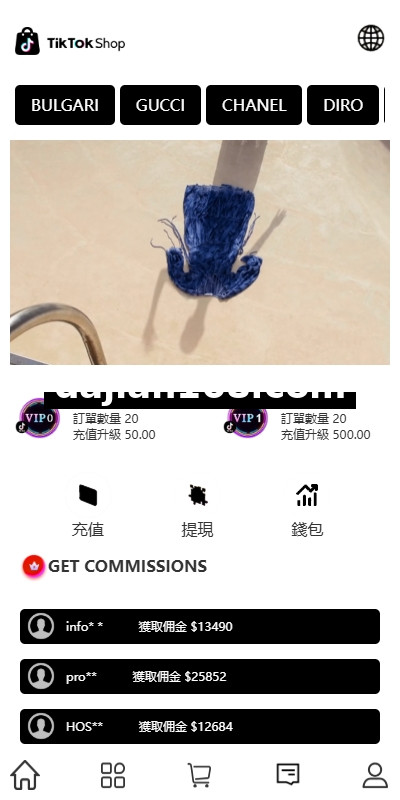
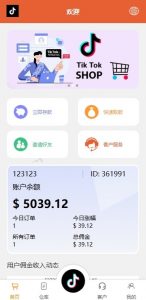
An overseas TikTok task order platform looks simple from the member side, but the backend has to coordinate user levels, order pools, task status, balance changes and language packs at the same time. The safest implementation approach is to deploy the core workflow first, then enable continuous orders and card-order rules after the basic order lifecycle is stable.
1. System Composition
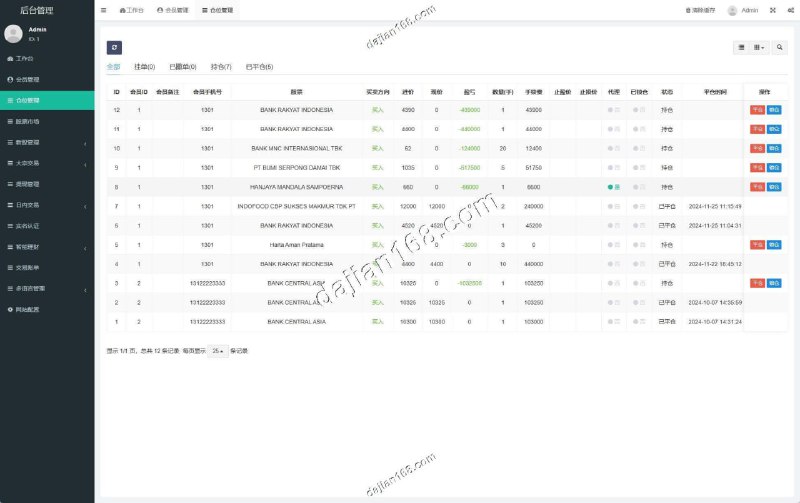
The platform normally contains a mobile-first front end, an admin backend, an order service, a wallet ledger and a reporting module. Uni-app is often used because it can publish H5 and app packages from the same project. The backend should keep a strict state machine for orders: pending, grabbed, locked, completed, reviewed and settled.
2. UniApp Deployment Notes
Before compiling the front end, update the API base URL, site name, default language and app icons. If the project uses environment files, keep test and production configurations separate. After packaging, test login, order list refresh, order detail display, language switching and logout. These five flows cover most front-end integration errors.
3. Continuous and Card Orders
Continuous orders should be configured with a clear release condition. A card order should also have a visible reason and an administrator log. If users cannot tell why an order is locked, support tickets will increase quickly. For internal testing, create one account that triggers a normal chain and another that triggers a card order, then compare their backend logs.
4. Redis and Data Consistency
Redis is useful for storing current order state, but the final audit record should be written to MySQL. If Redis is cleared or restarted, the system should be able to rebuild the active order state from database records. This design prevents a cache failure from becoming a finance incident.
5. Operational Suggestions
Start with a small order pool and a limited user group. Observe order distribution, completion time and complaint rate before expanding. Add risk controls for scripted accounts, repeated devices, abnormal IP addresses and frequent withdrawals. For multilingual operation, keep customer-service templates in the same language packs as the front end so users receive consistent wording.
Operational warning: never let order-control rules operate without logs. Every lock, release, adjustment and settlement should be traceable to a rule or an administrator action.
FAQ
Q1: Should continuous orders be enabled on day one?
No. Enable normal order grabbing first, then add continuous orders after the basic settlement flow has been tested.
Q2: What is the biggest mobile UI issue?
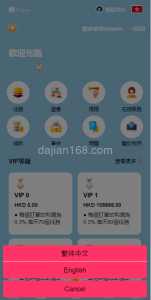
Language width. English, Chinese and other languages do not fit the same fixed button width, so responsive layout is necessary.
Q3: How do I prove the system is stable?
Run repeated end-to-end tests: register, log in, grab order, trigger card order, complete order, settle and export logs. Repeat with different user levels.
#Overseas TikTok Task Platform #Order Automation #UniApp Deployment #Card Orders #Multi-Language System
-
 Alipay QR Code Scan
-
 WeChat Scan Pay