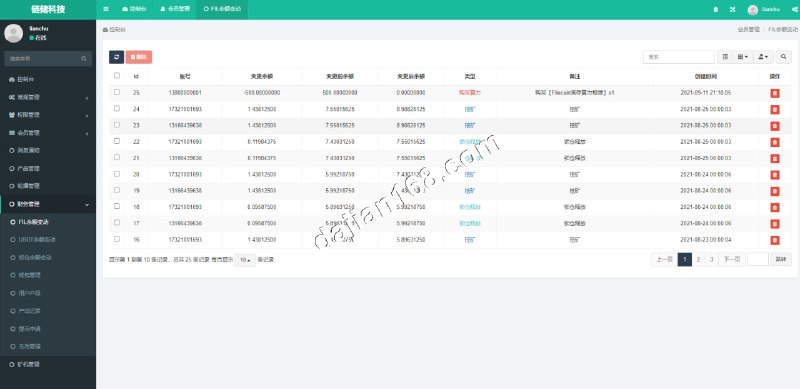
Java SpringBoot Aggregated Payment Checkout System Build Log: Multi-Channel Payment Gateway Deployment Notes
Java SpringBoot Aggregated Payment Checkout System Build Log: Multi-Channel Payment Gateway Deployment Notes
Disclaimer: This article is for technical education and demonstration only. It is not professional or financial advice. Any real-world deployment must comply with applicable laws and regulations.
I recently helped a client deploy an aggregated payment checkout system built on SpringBoot. The original requirement was for a platform handling prepaid card top-ups. After getting the source code, I spent a week running it in a local sandbox environment, going through the payment APIs, admin panel, and reconciliation modules. This post documents the pitfalls I hit and the actual test results, as a reference for anyone studying payment gateway integration.
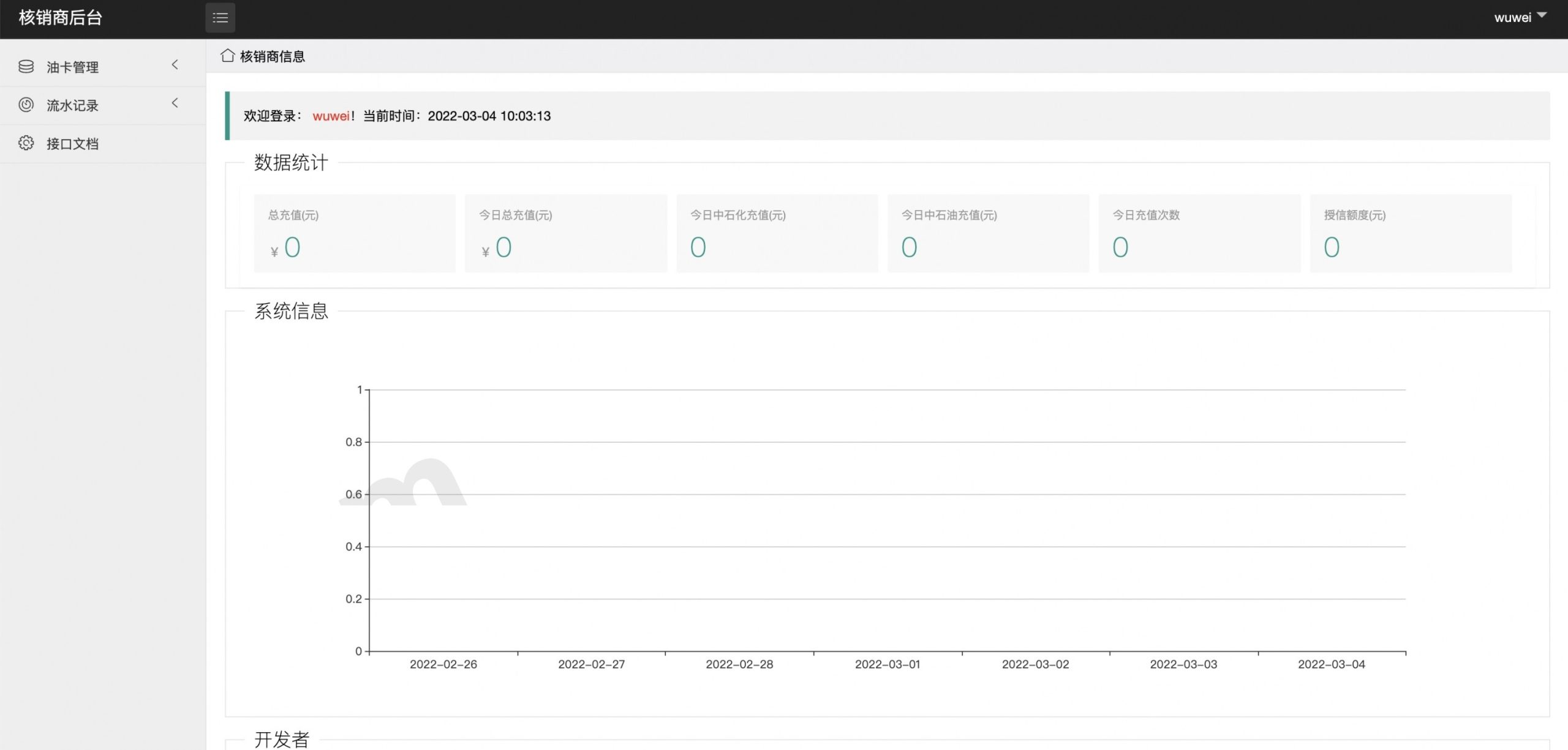
Hands-On Review: What This System Actually Offers
Short version: the code structure is fairly clean, front and back ends are separated, and the core consists of three parts — payment routing, the checkout page, and the merchant admin panel. I tested each module one by one.
Payment API Integration
The system ships with SDK wrappers for three mainstream channels — WeChat Pay, Alipay, and UnionPay — plus a generic HTTP callback handling layer. The API layer is well abstracted: to add a new channel, you just implement the PayChannel interface and write a channel adapter. I hooked up a third-party aggregated gateway for sandbox testing and got order creation and callbacks working in about two hours, which tells me the abstraction is done right.
Admin Panel
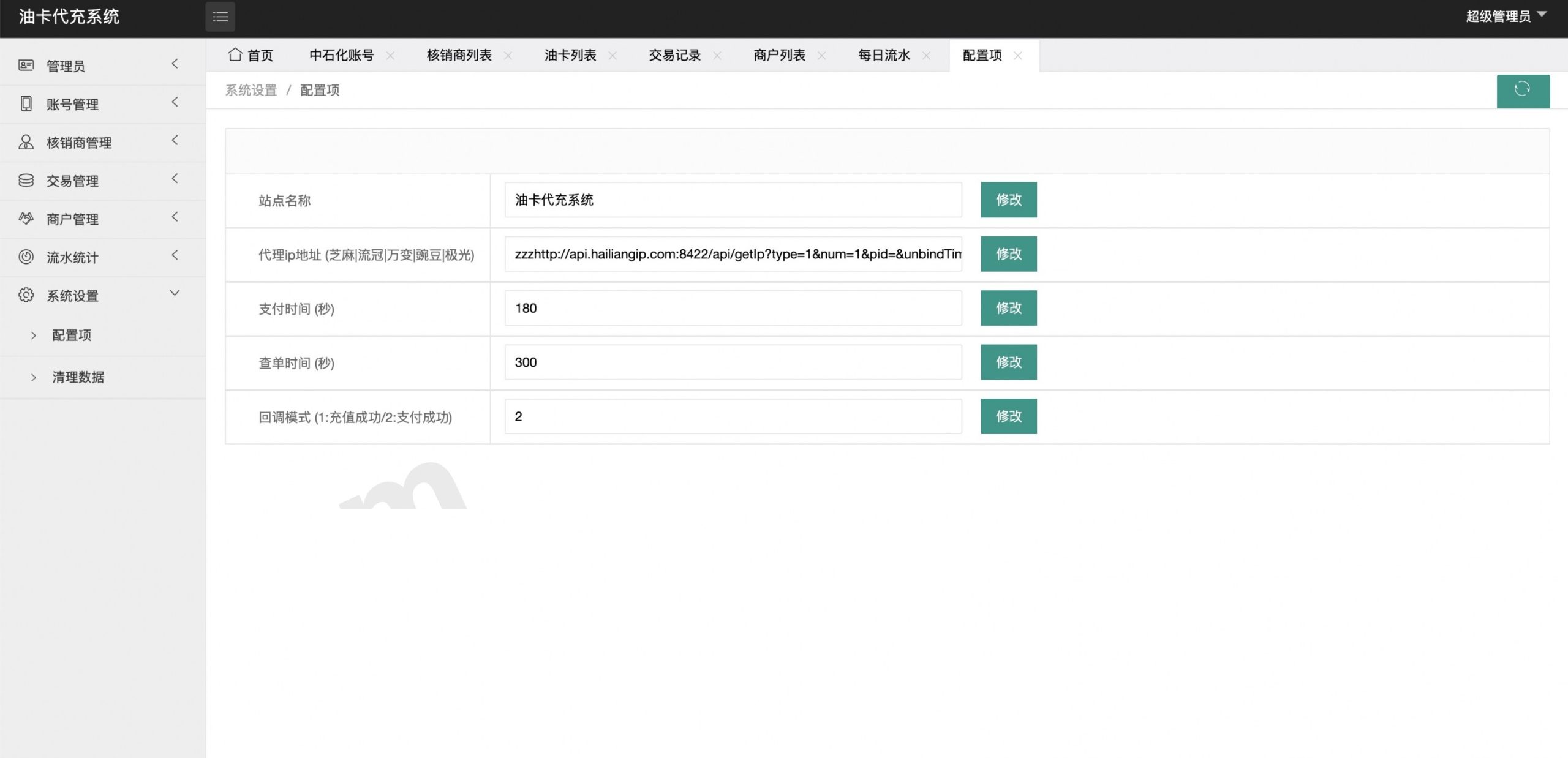
The admin backend uses a classic dashboard template, with features including:
– Merchant management: onboarding review, fee rate configuration, settlement cycle settings
– Order management: payment order lookup, refund operations, statement export
– Channel management: enable/disable switches, limits, and traffic-splitting ratios for each payment channel
– System settings: key management, callback URLs, operation logs
Order lookup supports multi-condition filtering by merchant ID, channel, and time range, and Excel export works fine. The operation logs are fairly complete — every fee rate change is recorded, which matters a lot for multi-merchant operations.
Checkout Front End
The checkout page is responsive and the mobile experience is decent. It supports custom checkout logos and theme colors, so clients can match their own branding. Static assets are split off to a CDN; in my tests the first load took around 1.2 seconds.
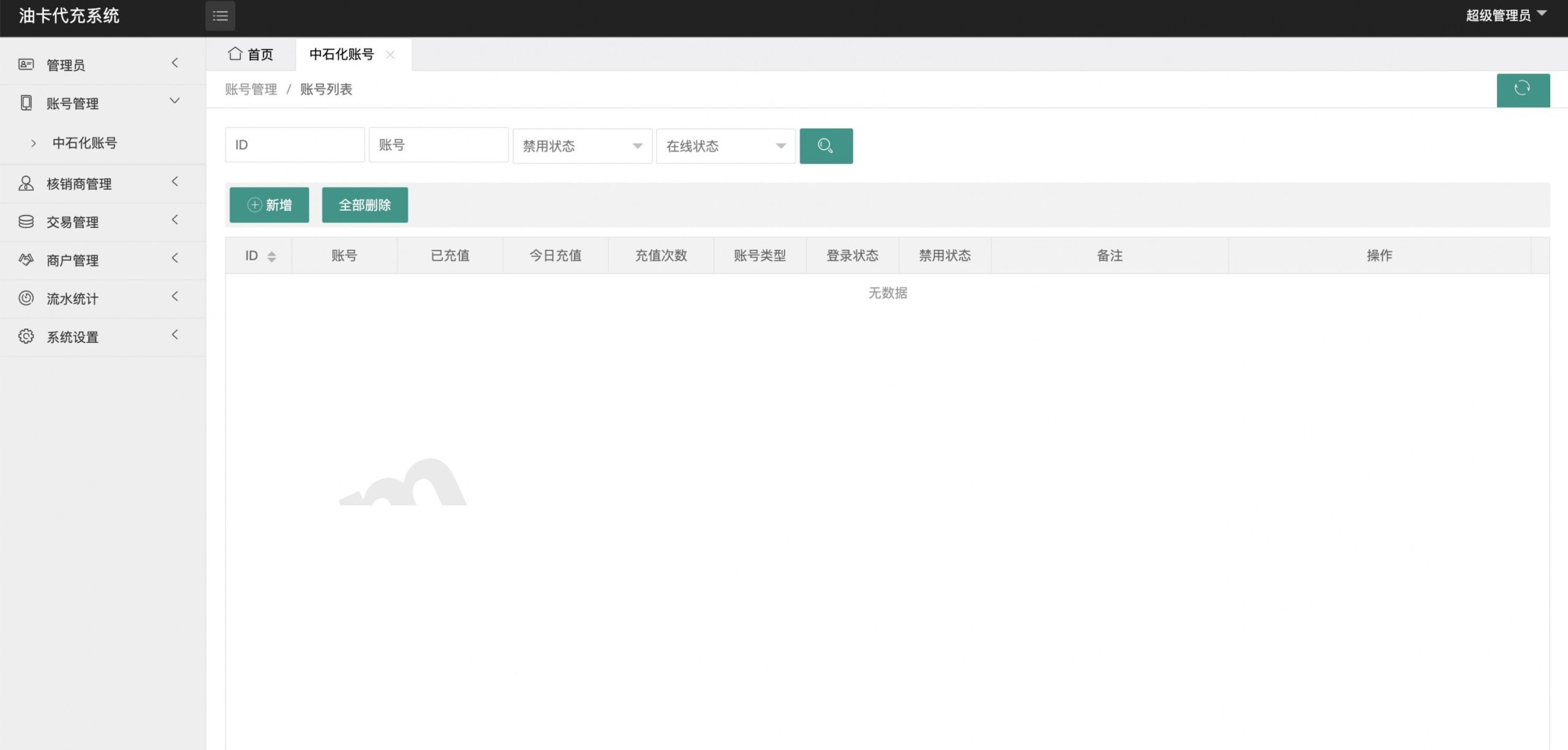
Deployment Essentials: Environment Setup and Pitfall Log
Environment Requirements
JDK 1.8, MySQL 5.7+, Redis is mandatory (used for payment order deduplication and distributed locks), and Nginx as a reverse proxy. A 2-core 4GB server is a reasonable starting point; scale up if concurrency grows.
Pitfalls You Will Almost Certainly Hit
1. Callback signature verification failures: on my first sandbox run, signature checks kept failing. After a long debugging session, it turned out the platform certificate hadn’t been updated. Payment channel certificates and keys need regular rotation — I’d recommend adding an expiry reminder in the admin panel.
2. Redis configuration: the database index in application.yml defaults to 0. If Redis on your server is shared with other projects, you must use a separate database, otherwise the deduplication keys for payment orders will collide. I learned this the hard way — two systems’ dedup order numbers clashed.
3. Timezone issues: the order statistics module uses UTC, so your database connection string needs serverTimezone=Asia/Shanghai, or the daily reports will be off by 8 hours.
4. Nginx callback timeouts: third-party callbacks default to a 30-second timeout. If your business logic contains slow queries, move callback processing to a message queue for async consumption — don’t do heavy work on the callback thread.
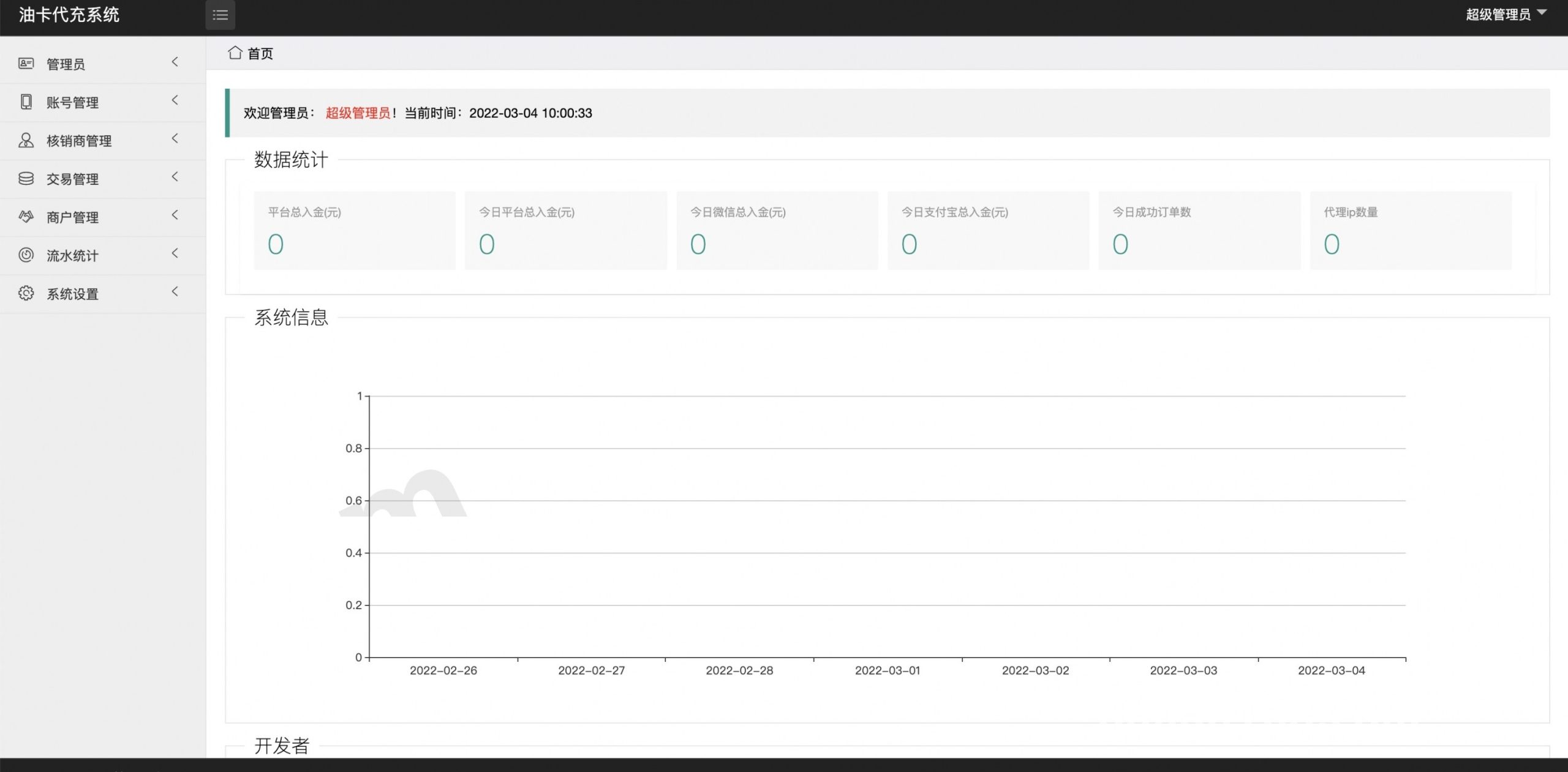
Highlight: the payment channel routing supports automatic traffic splitting based on fee rates and success rates — not something you see often in similar codebases. I’d suggest testing this feature thoroughly during the sandbox phase; it saves a lot of manual channel switching after launch.
Secondary Development Suggestions
The code follows the standard controller-service-dao layering with MyBatis-Plus as the ORM, so secondary development isn’t hard. I added two things myself:
– Enhanced reconciliation: the built-in reconciliation only covers channel transaction records, so I added a scheduled job that automatically reconciles against the merchant system once a night, flagging mismatched orders in red.
– Risk control filtering: I added a simple per-transaction limit and frequency-limit filter to block abnormal large orders. The logic isn’t complicated, but it’s necessary.
For multilingual support, the front-end copy lives in i18n resource files — converting to English takes roughly half a day, so teams targeting international users can adapt it directly.
Who This Is For
– Java developers who want to study payment gateway architecture — the channel abstraction design in this codebase is worth reading
– Technical service providers building checkout or top-up systems for clients
– Teams with their own business systems that want to bolt on an aggregated payment module
It’s not suitable for complete beginners to push straight to production. Payments involve financial security, so at minimum you need someone who knows Java reviewing the setup.
FAQ
Q: Can I run tests without merchant credentials?
A: Yes. Both WeChat Pay and Alipay provide sandbox environments — apply for sandbox keys and you can simulate the full payment flow without a real merchant account. I recommend validating every change in the sandbox before touching the live environment.
Q: Which databases are supported?
A: The source code defaults to MySQL. I tried migrating to PostgreSQL — most of the work was in SQL dialect differences and the pagination plugin, and it took about a day. For production I’d still recommend MySQL 8 for stability and peace of mind.
Q: How does it handle concurrency?
A: I ran load tests: on a single 2-core 4GB machine, the order creation endpoint hit roughly 350 QPS, rising to around 600 with Redis caching added. That’s plenty for small and mid-sized platforms. For higher volume, just add a cluster with load balancing — the code itself is stateless.
Q: Is ongoing maintenance expensive?
A: Mainly three things: certificate rotation, channel API version upgrades, and security patches. I’d suggest a fixed monthly inspection day, with proper logging and backups. Overall the maintenance burden isn’t heavy.
Final Thoughts
This SpringBoot aggregated payment source code is above average overall — clear architecture, friendly to secondary development, and suitable both as a learning project for payment systems and as a checkout foundation for small and mid-sized businesses. Do the sandbox testing thoroughly and keep key management disciplined, and you’ll rarely run into serious problems. Feel free to reach out if you have deployment questions.
Disclaimer: This article is for technical education only and shares deployment experience. Anyone using such systems must comply with applicable laws and regulations, and unlawful use is prohibited.
Disclaimer: This article is for technical education and demonstration only. It is not professional or financial advice. Any real-world deployment must comply with applicable laws and regulations.
#Aggregated Payment #SpringBoot #Payment API Integration #System Deployment #Secondary Development Notes
-
 Alipay QR Code Scan
-
 WeChat Scan Pay