Multi-language Lottery Game System Setup: Kuaisan Betting Platform Development Guide
Multi-language Lottery Game System Setup: Kuaisan Betting Platform Development Guide
Earlier this year I worked on a lottery gaming platform project requiring a multi-language version supporting Kuaisan, sports betting, and number lottery games. The client specifically requested controlled lottery functionality and complete recharge records in the backend. The project took nearly 20 days from requirement confirmation to launch testing, with many pitfalls encountered along the way. I am systematically documenting everything here for those who might need it.
The core logic of lottery systems is not complicated: betting, drawing, and prize distribution. But lottery systems have extremely high requirements for fairness and security. Users must be able to withdraw winnings smoothly, and losing users should not feel the system is cheating. Therefore, lottery algorithm design, transaction record keeping, and risk control rule configuration must be rigorous at every step.
1. System Features Overview
- Multi-language Frontend: System frontend uses Vue.js open-source framework, supporting English, Chinese, Vietnamese, Thai, and more. Odds display, amount format, and time format are localized for each language. Interface style supports customization with backend uploads for Logo, Banner, and theme colors.
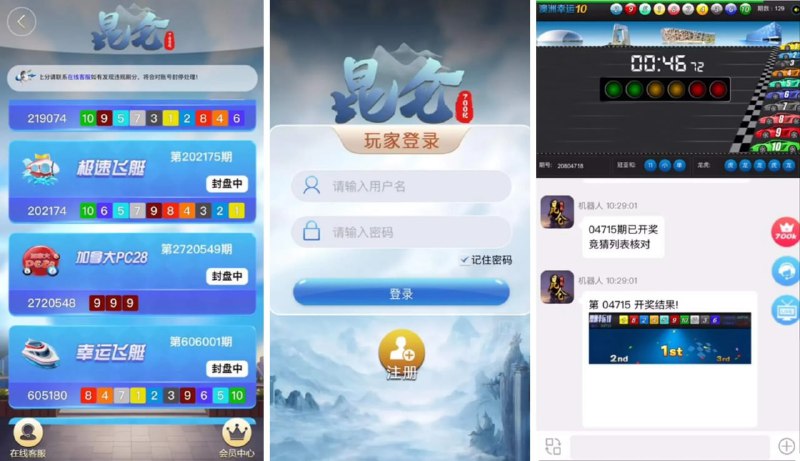
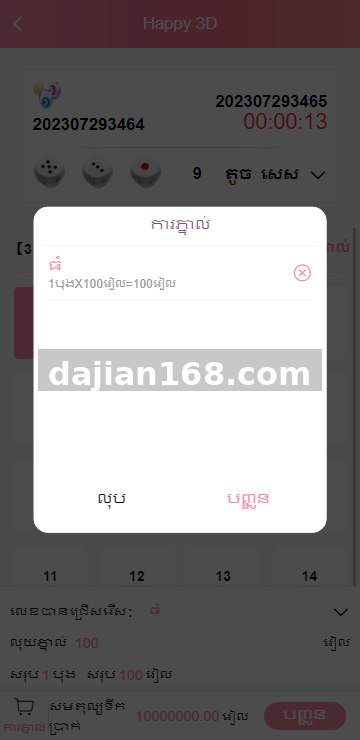
- Kuaisan Game Module: Kuaisan uses three dice with the sum as the draw result. Supports big/small, odd/even, total sum, triples, and specific number bets. Draw frequency configurable in backend, default 1 minute per round, peak periods can shorten to 30 seconds.
- Sports Betting Module: Supports sports betting and virtual event betting. Users can bet on match results, scores, and total goals. Odds dynamically adjust based on betting volume, with backend-configurable maximum odds ceiling.
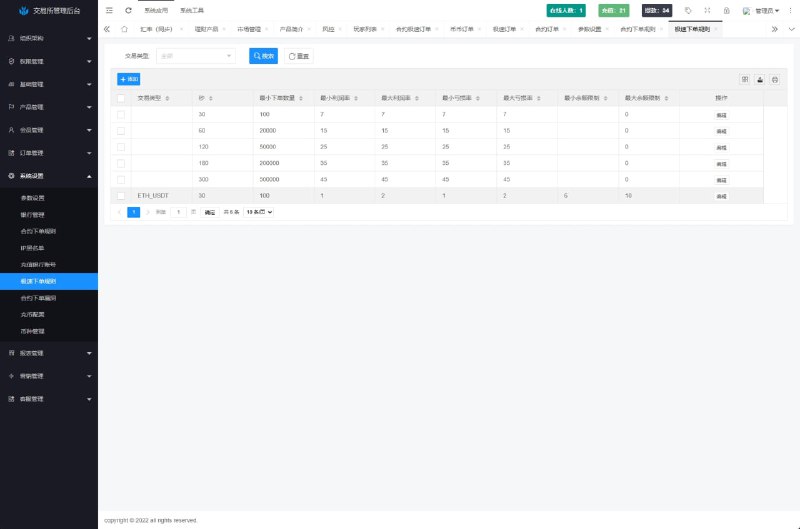
- Controlled Lottery Feature: Backend supports manually setting draw results for specific operational scenarios. Can also configure fully automatic random draws using cryptographically secure random number generators. Both modes can be switched at any time.
- IP Whitelisting and Access Control: New IP whitelisting feature can restrict specific IP ranges or countries. Combined with device fingerprinting, this effectively prevents malicious account farming and bot betting. Backend one-click toggle for easy operation.
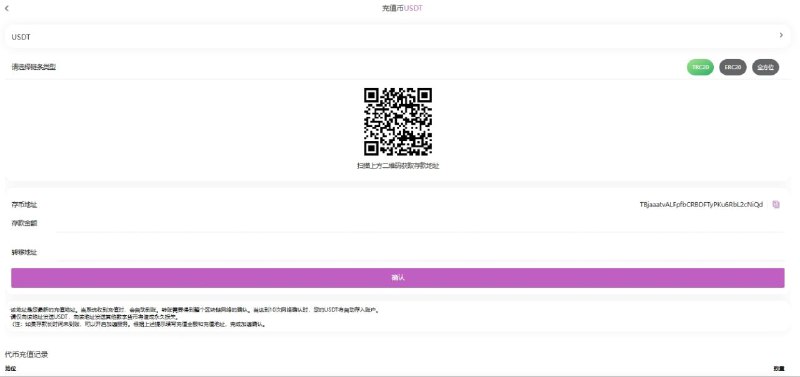
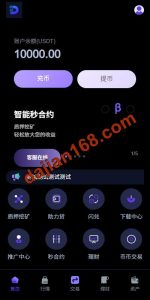
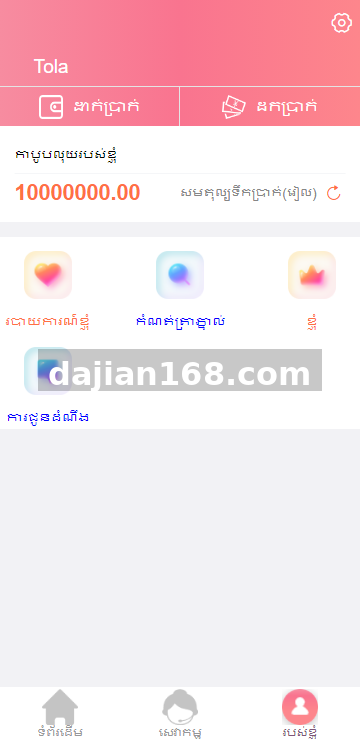
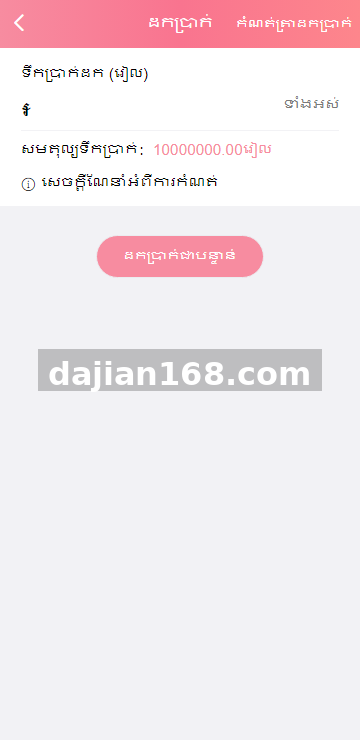
- Recharge Records and Customer Service Redirect: Backend has complete recharge records including time, amount, channel, and status. After user recharge, system can automatically redirect to customer service for confirmation or to bank transfer page. Both modes toggled via backend one-click switch.
2. Pre-deployment Preparation and Notes
- Frontend Framework Selection: System frontend uses Vue.js with component-based development for easier maintenance. However Vue.js SEO support is poor. For search engine indexing, consider Nuxt.js for server-side rendering or configure separate static pages for SEO entry points.
- Backend Framework Configuration: Backend uses ThinkPHP (TP) open-source framework, version 6.0+ recommended. TP has a gentle learning curve and high development efficiency. But default performance is not optimal, requiring OPcache, database connection pool adjustment, and Redis caching.
- Database Table Design: Lottery systems have three core tables: betting records, draw records, and transaction records. Betting records table has the largest data volume, recommend partitioning by date. Draw records table is smaller but high query frequency, recommend Redis caching. Transaction records must guarantee data integrity, recommend database transactions.
- Random Number Generation Security: Lottery random numbers cannot use standard rand() function. Must use PHP’s random_int() or openssl_random_pseudo_bytes(). On Linux, recommend enabling /dev/urandom as entropy source. Random number generation logic should maintain audit logs recording seed values and algorithm versions for each draw.
- Payment Channel Compliance: Lottery payment interfaces require special attention to compliance. Some regions have special restrictions on lottery payments. Recommend using third-party payment aggregation platforms rather than direct bank connections. USDT payment channels are mainstream for overseas markets with fast settlement and low fees.
3. Common Issues and Troubleshooting
3.1 Draw Results Not Syncing with User Bets
Early testing found occasional inconsistencies between user bets and draw results. Root cause was frontend WebSocket push latency, where users saw odds from the previous round when placing bets. Fix: frontend confirms current round number with server before clicking bet button, bet request must include round number. Server validates round number, rejecting bets if round is closed. This completely eliminated cross-round betting issues.
3.2 Database Write Speed Cannot Keep Up with Draw Frequency
With Kuaisan at 1 minute per round and thousands of concurrent users, each bet requires database write, creating heavy write pressure. Optimization: bets first written to Redis queue, with backend cron job batch writing to database. Draw results also written to Redis first, then synced to database. This reduced database write volume by over 90%, enabling higher concurrency support.
3.3 Withdrawal Risk Control False Positives
Normal user withdrawals were occasionally blocked by risk control due to IP changes triggering异地 login rules. Fix: add whitelist mechanism to risk rules, exempting verified devices or IP addresses from异地 login restrictions. Change withdrawal risk control from single-rule to multi-dimensional scoring for comprehensive user behavior assessment, reducing false positive rate.
3.4 Multi-language Odds Display Errors
Different languages have vastly different number formats. Thai uses Thai numerals, Vietnamese uses Vietnamese numerals. Using incorrect localization functions causes number format chaos. Fix: odds uniformly displayed in Arabic numerals without language switching. Amount display uses PHP NumberFormatter class with correct decimal places and thousand separators based on language settings.
4. Custom Development Options
- Live Draw Streaming: Integrate third-party streaming service to display real-time draw animations for each round. Users can see dice rolling or ball drawing process, enhancing trust and engagement. Streaming component can use WebRTC or HLS protocol with latency under 3 seconds.
- Membership Level System: Set membership levels based on user betting volume and recharge amounts. Different levels enjoy different rebate ratios, withdrawal priority, and dedicated customer service. Level systems significantly improve user retention and ARPU.
- Blockchain Proof Integration: Each round’s draw results can be stored on blockchain for users to verify results are not tampered with. Ethereum or BSC chains are viable, with each round storage cost approximately 0.01-0.05 USDT. This feature greatly helps build user trust.
- Promotion Rebate System: Users invite new registrants and earn rebates when new users place bets. Supports multi-level rebates (recommend not exceeding 3 levels), with configurable rebate ratios in backend. Promotion data updates in real-time, users can view referral links, downline count, and cumulative rebates.
Key Tip: Lottery system draw logic is core confidential information. After deployment, ensure proper code protection. Recommend using PHP code obfuscation tools on core algorithm files, and configure server to block direct access to source directories. Regularly change server passwords and SSH keys to prevent source code leakage.
5. FAQ
Q1: Can users detect controlled lottery functionality?
Manual lottery control operates in backend, frontend users only see draw results without seeing the draw process. But for long-term credibility, recommend using controlled lottery only during testing or special events, with fully automatic random draws during normal operations. If users suspect cheating, open partial historical draw data for user verification.
Q2: Which lottery games does the system support?
Default supports Kuaisan, number lottery, and sports betting. Backend can add custom games like 11-choose-5, Pailie-3, Mark Six, etc. Adding new games requires configuring draw rules, odds tables, and betting limits. Generally 3-5 days development time per new game.
Q3: Is the deposit and withdrawal system secure?
Recharge records have complete logs with user, time, and channel filtering. Withdrawals require manual review or automatic review based on amount thresholds. Large withdrawals recommend manual review, small withdrawals can be automatic. System includes anti-money laundering detection, with multiple recharge/withdrawal cycles by same user triggering risk alerts.
Q4: How many concurrent users can this system support?
Single-server architecture supports 5,000-8,000 concurrent users. Beyond this requires load balancer deployment, database master-slave replication, and Redis clustering. Microservices architecture can support 100,000+ concurrent users but retrofitting costs are high and requires professional operations team.
⚠️ Important Notice: The lottery system setup described in this article is for technical research and learning reference only. Lottery and gambling businesses are strictly regulated in most countries and regions. Unauthorized operation may constitute illegal gambling or casino operation. Please ensure legal licenses are obtained before operating, and strictly comply with local laws and regulations. Minors are prohibited from participating in any form of gambling activities.
#LotteryGameSetup #KuaisanSourceCode #OverseasLotterySystem #BettingDevelopment #ControlledLotterySystem
-
 Alipay QR Code Scan
-
 WeChat Scan Pay