Building an Overseas Crypto & Forex Order-Snatching System: A Deployment Case Study (uniapp Open-Source Edition)
Building an Overseas Crypto & Forex Order-Snatching System: A Deployment Case Study (uniapp Open-Source Edition)
I recently helped a client with overseas operations set up an order-snatching system. The requirements were very specific: it had to support bidirectional order matching for both crypto and forex, the front end had to be packageable into a native App (iOS + Android), and the admin panel had to expose risk-control logic for chained orders, order freezing, and credit scores. After three days of back-and-forth, I got this full uniapp + PHP open-source package running end to end. Below I will share the deployment workflow and my hands-on impressions for site owners with similar needs.
1. Hands-On Test of the Core Features
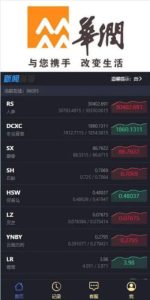
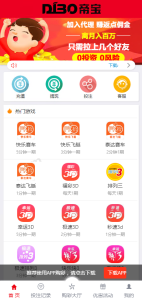
The first thing I did after receiving the source code was to get the front end running. The desktop layout is responsive and renders well in a browser. The biggest advantage of uniapp is that a single codebase can compile to H5, mini-programs, Android, and iOS, which is a huge time saver for overseas promotion.
1.1 The Order Hall and Order Matching
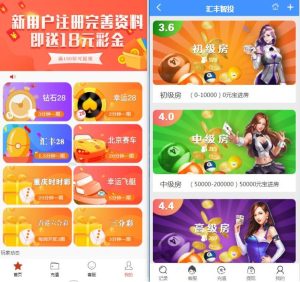
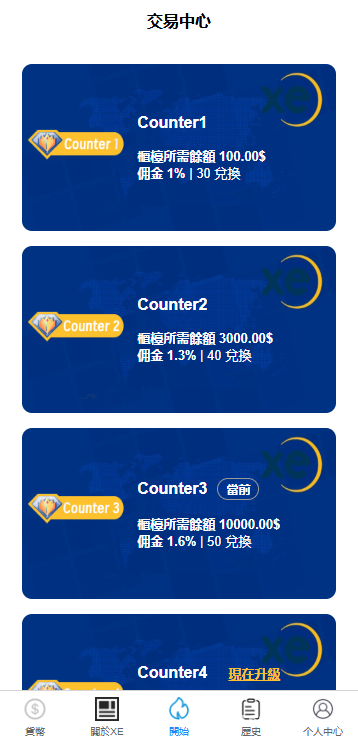
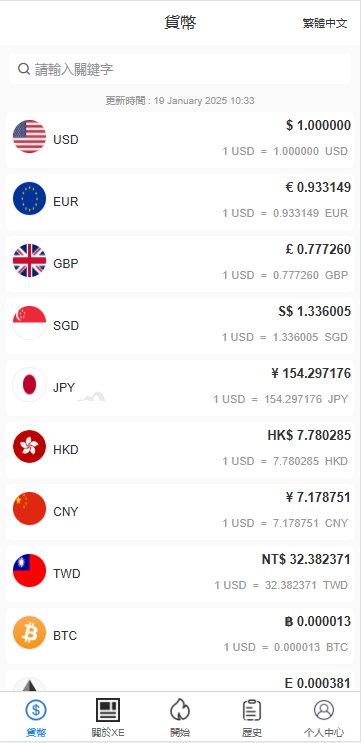
The order hall works as follows: users post buy or sell requests from the front end (currency pair, rate, amount), and when another user taps to take the order, the system matches them automatically. I have seen this pattern many times in forex margin platforms, but after actually running it I found the matching speed acceptable and all key parameters can be tuned from the admin panel.
1.2 Chained Orders, Order Freezing, and the Credit-Score Mechanism
This is one of the selling points of the package. The admin panel can assign a “credit score” to each user. When a user’s score is too low, any order they take is automatically frozen and routed to manual review. The chained-order feature lets a single user take on multiple open orders back to back. The client specifically asked that these two features be adjustable, and after reviewing the backend logic I found it written fairly clearly.
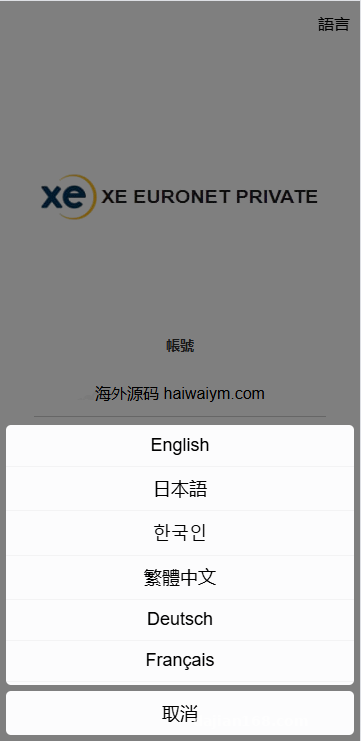
1.3 Multi-Language Switching
The system ships with built-in language packs, and the deployment already includes several mainstream overseas languages such as English, Traditional Chinese, and Arabic. Adding more languages later is also straightforward — the client just needs to add new key-value pairs to the language file.
2. Deployment Essentials and Pitfalls I Hit
2.1 Environment Configuration
For the PHP backend I recommend versions 7.2 to 7.4. I used PHP 7.4 + Nginx + MySQL 5.7. Importing the database went smoothly because the source package includes a ready-made SQL file. One thing to note: the default admin username and password must be changed manually in the database. The source code ships with weak credentials like admin / admin, and these absolutely have to be swapped out before going live.
2.2 Compiling the uniapp Front End
The front end follows the standard uniapp structure and opens directly in HBuilderX for compilation. I first built the H5 version and hosted it under a domain for demonstration. When I packaged the Android build I hit a small snag — remember to change the app name and icon in manifest.json to your own, otherwise the App will be rejected during store review.
2.3 Payment Gateway Integration
The system reserves slots for payment gateway integration, but you still have to apply for the actual gateways yourself. For overseas crypto operations, USDT-TRC20 collection is the usual choice. You just need to write a PHP script that listens for callbacks on the wallet address and hook it up — the source code already includes the callback entry point, which saved a lot of time.
Highlight: The biggest advantage of this package is that both the front end and back end are fully open source, with no encryption and no licensing restrictions. The client can freely extend it later with features like referral rebates, team commission splits, and turnover analytics charts. It is far more flexible than those packages that cost thousands of dollars and ship with encryption locked down tight.
3. Secondary Development Suggestions and Target Users
3.1 Who This System Is Right For
In my assessment, this system is a good fit for the following types of site owners: first, operators already running overseas forex CPS or crypto news sites who want to add an interactive user module; second, anyone holding traffic in overseas niche languages who wants to monetize it through private-domain conversion; and third, developers doing custom builds for clients who need a stable order-snatching framework as their foundation.
3.2 Risks to Watch Out For
A necessary warning: order-snatching and auto-match businesses sit in a regulatory gray zone in some countries, so you must evaluate local laws before going live. The credit-score and order-freezing mechanisms can block a portion of professional abuse, but the real defense is KYC identity verification and fund custody. The source code only ships with a basic framework for these, so you should strengthen them yourself.
3.3 My Suggestions for Secondary Development
If you plan to modify this codebase, I recommend prioritizing three improvements: first, add filtering and export functions to the backend order list to make operations reporting easier; second, integrate a real-time exchange-rate refresh API into the order hall on the front end; third, build a team relationship structure into the member center, since the current system is single-tier and any multi-level distribution logic has to be added by yourself.
Frequently Asked Questions
Q: Can this system’s uniapp front end be packaged directly into a store-ready App?
A: Yes. Open the project in HBuilderX and choose “Publish → Native App – Cloud Build.” Configure your certificate and icon and it will generate an Android APK. For iOS you will need an Apple Developer account. The manifest.json in the source already includes the configuration slots — just change the app name and version number.
Q: How exactly do I configure the chained-order and order-freezing features?
A: In the admin panel under “Members → Credit Score Settings” you can adjust the credit-score threshold for each user group. Under “Orders → Risk Control Settings” you can set the chained-order limit and the conditions that trigger order freezing. In my hands-on test the granularity of the risk rules is decent and sufficient for small to mid-sized platforms.
Q: Is it troublesome to add a new language to the multi-language setup?
A: Not at all. The language packs use a standard JSON structure. Copy an existing language file, rename it, enable it under “System Settings → Language Management” in the admin panel, then fill in the translated strings for each field. The H5 side supports hot updates, so no rebuild is required.
Q: What are the default admin credentials, and how do I change them?
A: The default is admin / admin. After the first deployment be sure to log into the database, open the admin table, and replace the password field with your own encrypted password (MD5 or the encryption helper included in the source both work). At the same time, delete any demo test accounts.
Q: Do I have to build the crypto payment integration from scratch?
A: The source code already includes the payment callback entry point and the order-status synchronization logic. All you need to do is connect your USDT (or other coin) collection gateway, write a callback script that listens for transaction hashes, and attach it to the designated route. The whole job can be wrapped up in about a day or two.
#overseas order-snatching system #uniapp source code #forex auto-match system #crypto order-snatching #PHP open-source system
-
 Alipay QR Code Scan
-
 WeChat Scan Pay