Seven-Star Board Game Simulation System Deployment Notes: Building 200 Sub-Games from Source Code and Secondary Development
Seven-Star Board Game Simulation System Deployment Notes: Building 200 Sub-Games from Source Code and Secondary Development
Disclaimer: This article is for technical education and demonstration only. It is not professional or financial advice. Any real-world deployment must comply with applicable laws and regulations.
I recently helped a team working on regional culture digitization deploy a Seven-Star board game simulation system. It focuses on regional card simulation gameplay from Hunan, Hubei, and Guizhou provinces, with an official claim of 200 sub-games. Before putting it on the client’s server, I ran the package locally first to confirm I could log into the backend, select a server, and enter rooms without issues. The whole process involved plenty of pitfalls, so this post serves as my deployment notes to save time for anyone else planning to tinker with this source code.
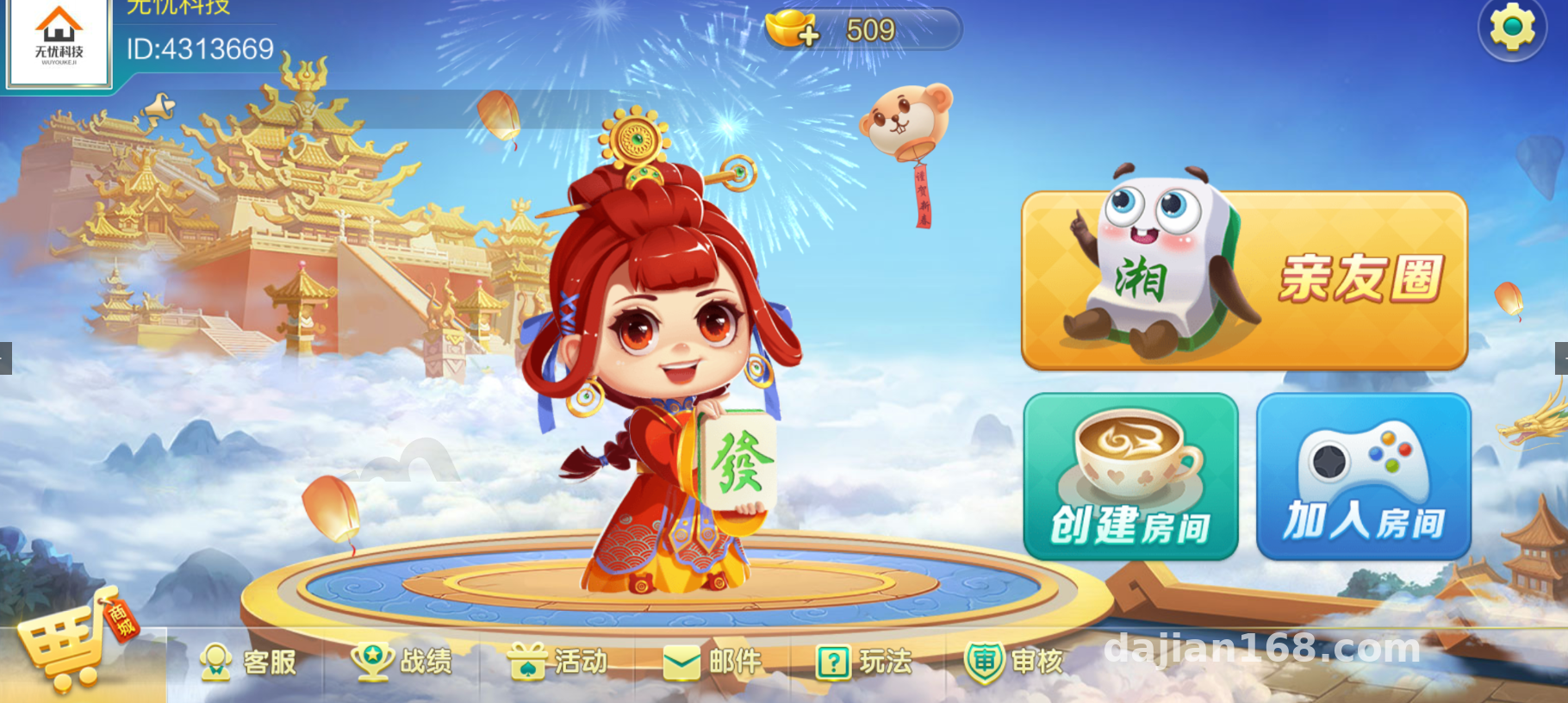
Feature Testing First: Many Sub-Games, but the Structure Is Actually Quite Clear
Don’t be intimidated by the 200 sub-games — the code is organized into modules by province. The Guizhou module contains various regional card simulations, such as Puding, Anshun, Zunyi, and Bijie gameplay variants, plus common rules like Guiyang Zhuaji card simulation and Xuezhan Daodi. The Hubei module includes Yichang Xueliu Chenghe, Xiaogan Ka Wuxing, Qianjiang Huanghuang, and card simulation-style games like 510K, Dagong, and a landlord simulation. The Hunan module covers regional rules from Changsha, Shaoyang, Huaihua, and variants like Zhuanzhuan, Hongzhong, and 258.
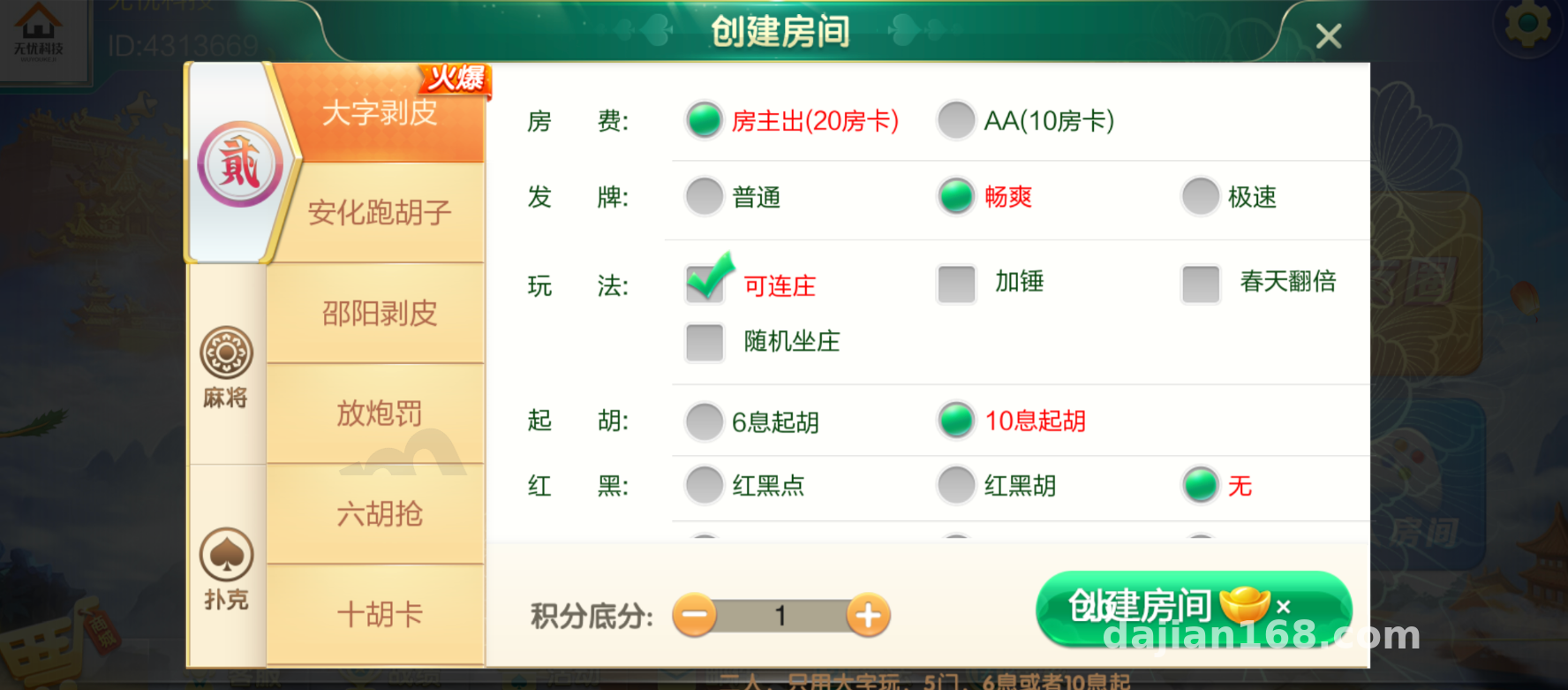
I spot-checked over a dozen sub-games. The logic layer is separated, with each gameplay mode having its own independent rule file — very friendly for secondary development. If you modify a Hunan gameplay mode, you won’t break the Guizhou module at all.
Backend Control Testing
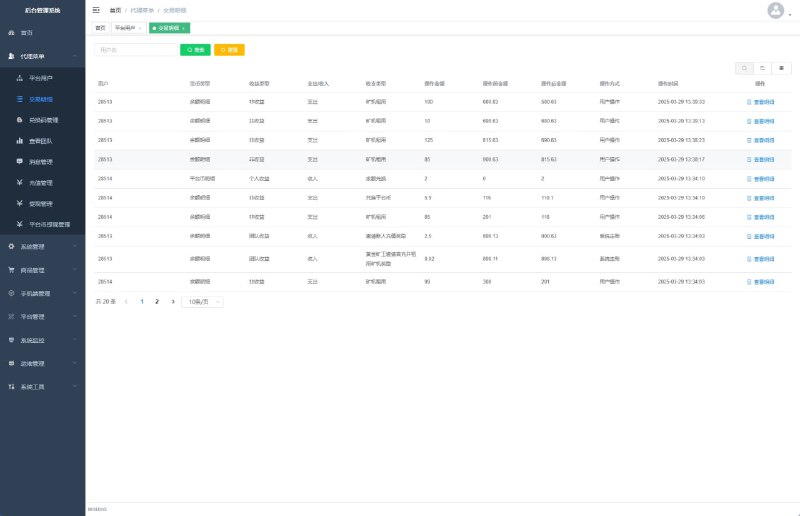
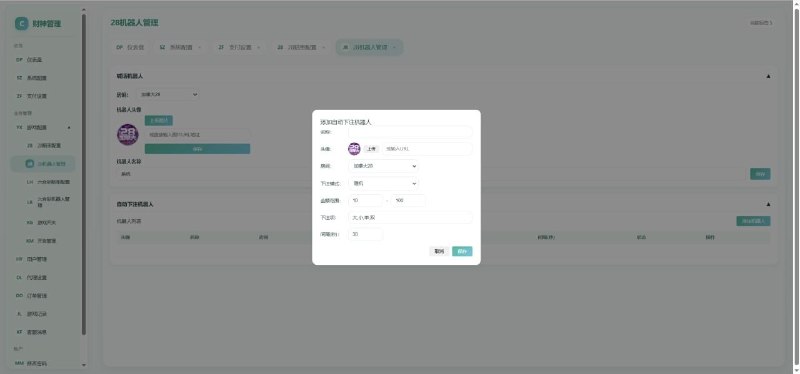
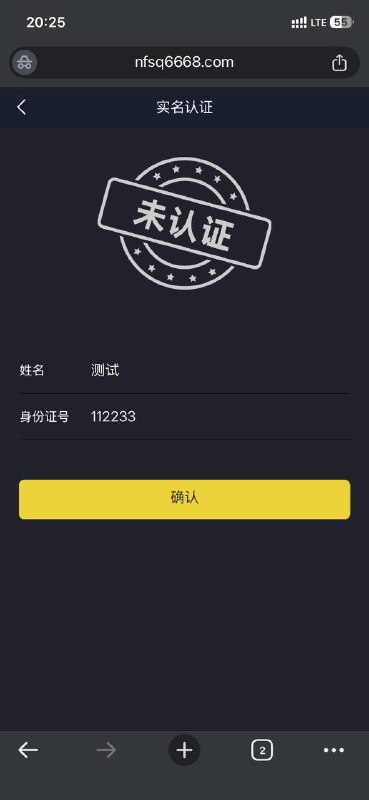
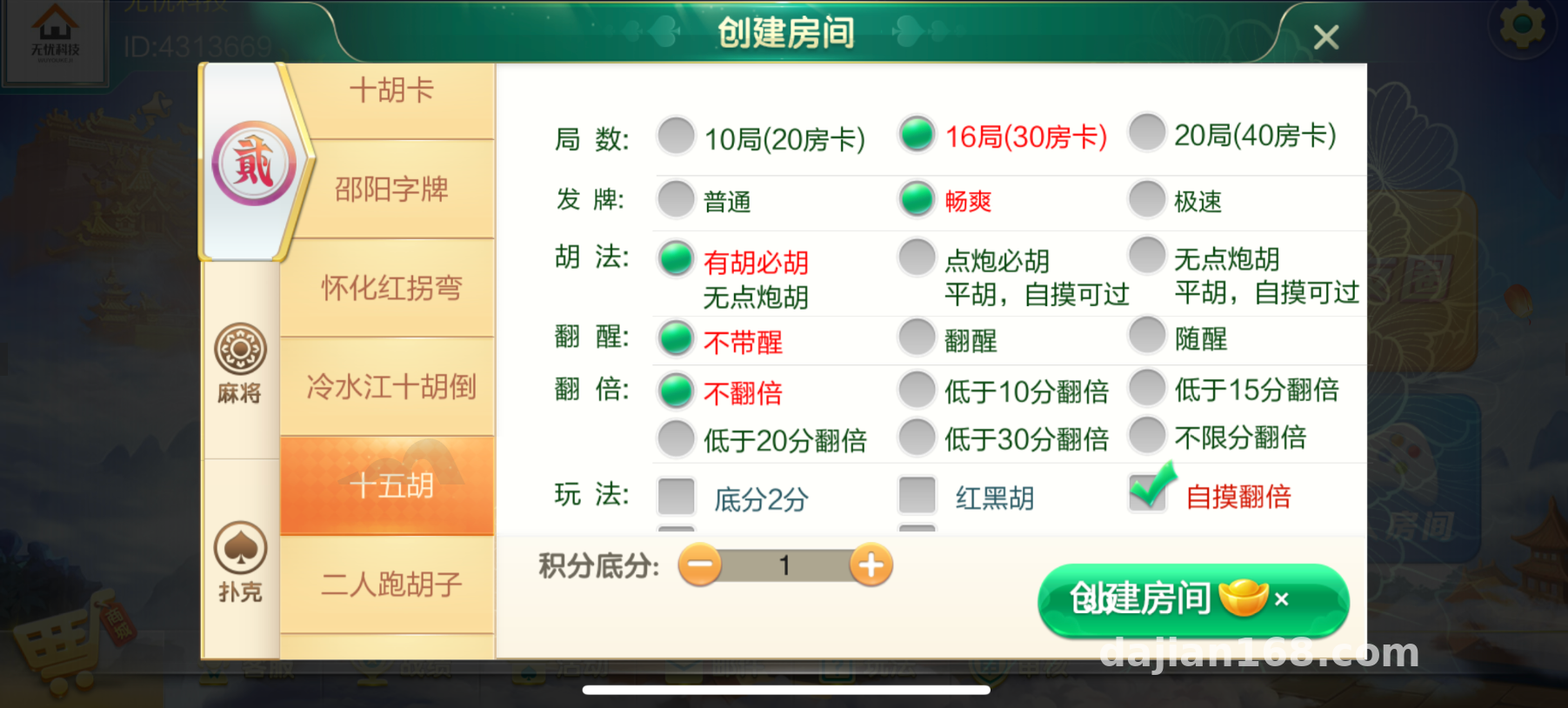
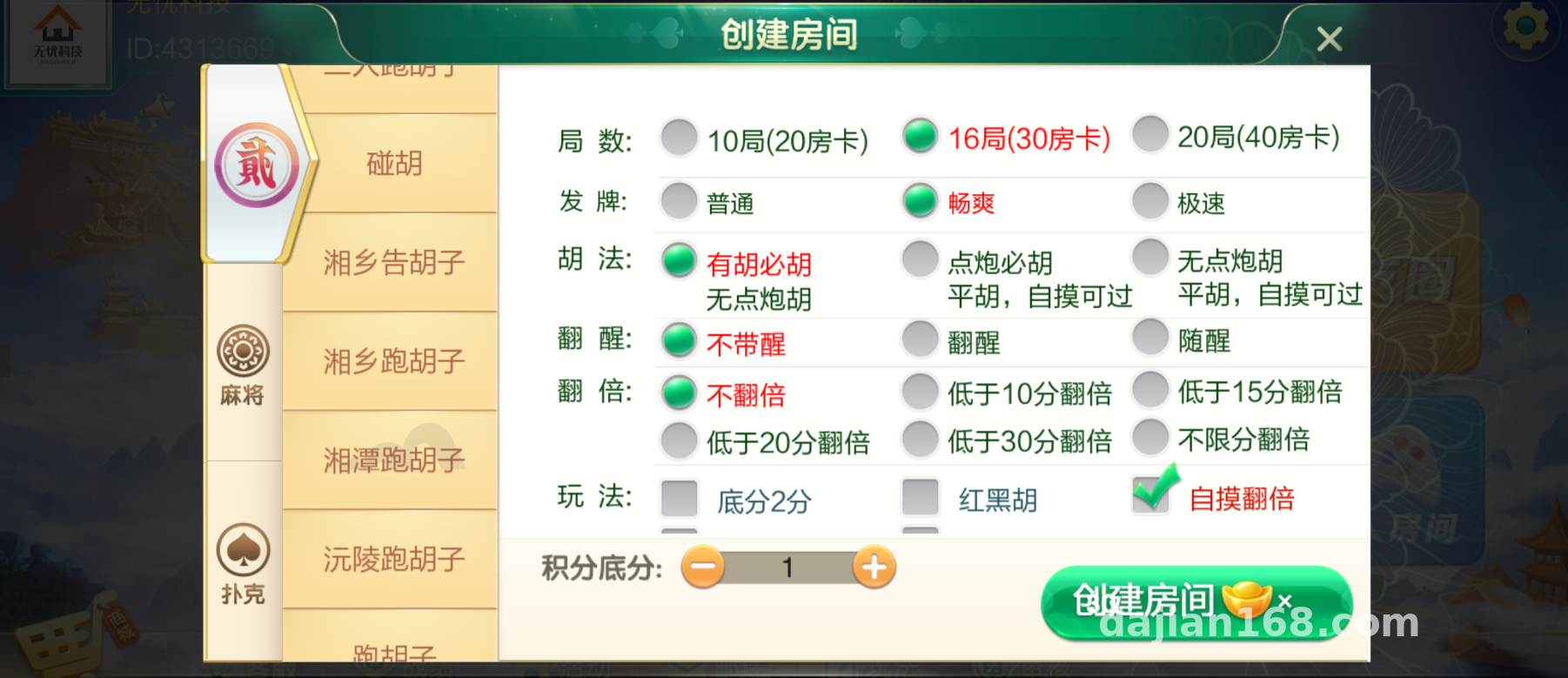
The backend allows direct login with the admin account, and the management granularity is decent: room configuration, gameplay parameters, player data statistics, and announcement management are all there. One thing worth emphasizing about gameplay parameters — the number of cards per round, wild card rules, and scoring multipliers are all adjustable from the backend, which makes flexible configuration possible for demo platforms or teaching demonstrations. During testing, I changed the multiplier parameter of one gameplay mode and it took effect on the frontend immediately, without restarting the service. Nice touch.
Client and Multiplayer
The client is a typical Cocos-based frontend. Rooms run on room-ticket logic, supporting both friend rooms and matchmaking rooms. For localization, only Chinese is available by default. If you want an overseas demo version, you’ll need to add your own language packs. The workload isn’t huge, but the fields are scattered across various gameplay configurations, so I’d recommend building a field mapping table before starting.
Deployment Essentials: Environment, Ports, and Database
This system doesn’t demand much from the environment. I set it up on CentOS 7.6 with the BT Panel. Three things matter most:
1. Environment versions. The backend depends on specific runtime library versions. Read the documentation in the archive before installing — mismatched versions throw a pile of cryptic errors. My first install failed at room creation because the runtime library version was too high; downgrading fixed it.
2. Port planning. The game server, gateway, and backend admin are three separate processes, and their ports must be aligned in both the firewall and the config files. I suggest restricting the backend port to fixed IPs only — never leave it wide open.
3. Database initialization. The SQL files come in two parts: the structure database and the initial data. Don’t get the import order backwards. After importing, change the default backend password immediately — an admin account with a weak password on the public internet is basically an open invitation.
Highlight: all 200 gameplay modes share one room framework. Adding a new regional mode takes just three steps — copy the rule template, modify the scoring logic, and register it in the backend. The secondary development cost is much lower than you’d expect.
Payment Interfaces and Operations-Related Matters
The source code reserves callback slots for payment interfaces. For demo top-ups of props or room tickets, you can hook up a third-party aggregated payment service — the signature and callback verification framework code is ready-made. That said, I’d recommend disabling the payment module entirely in demo environments and using the backend’s gift function to issue test props instead, keeping the interface from being exposed and causing trouble.
Also, this system has no built-in complex operations modules like multi-level distribution, so the structure is relatively clean. For teams planning long-term maintenance, that’s actually a good thing — one less layer of wrapping means one less layer of pitfalls.
Who Should Tackle This
Honestly, this source code isn’t for complete beginners. 200 gameplay modes mean lots of rule files, configuration items, and frontend assets. You need to understand basic directory structures, know how to edit configs, and read logs. It’s best suited for:
Small teams with secondary development skills who want to build regional board game culture digitization demos or educational products, or tech enthusiasts studying game source code who want to dissect the architecture of room-ticket systems. If you’re purely looking for an out-of-the-box, hands-off setup, this will give you a headache — just figuring out the gameplay parameters takes days.
FAQ
Q: What’s the minimum server configuration?
A: For testing, 2 cores and 4GB RAM is enough. For a production demo, start with 4 cores and 8GB. Bandwidth depends on concurrent users — 5M is generally fine for up to 100 online users.
Q: Can I deploy only some of the sub-games?
A: Yes. Each gameplay mode has an independent toggle in the backend. Turn off any mode you don’t want to open, and the frontend entry hides automatically — no need to delete code.
Q: How hard is it to add a new gameplay mode through secondary development?
A: With the rule templates as a foundation, a developer familiar with the framework can produce a new mode in a day or two. The main workload lies in the scoring logic and frontend animation assets.
Q: Can data be backed up regularly?
A: Absolutely. Player data and room records are all in MySQL. Just set up a daily backup using the BT Panel’s built-in scheduled tasks — don’t wait until something goes wrong.
One final note: this source code is recommended only for technical research, teaching demonstrations, and lawful, compliant product development. Deployment and operation must comply with applicable laws and regulations, and any unlawful use is prohibited. If you have other deployment questions, feel free to discuss in the comments — I’ll reply when I see them.
Disclaimer: This article is for technical education and demonstration only. It is not professional or financial advice. Any real-world deployment must comply with applicable laws and regulations.
#Source Code Deployment #Board Game Simulation #Deployment Notes #Secondary Development #Game Server
-
 Alipay QR Code Scan
-
 WeChat Scan Pay